In the dynamic landscape of modern agriculture, poly bag agriculture has emerged as a game – changer, offering flexibility, efficiency, and sustainability. As a dedicated poly bag agriculture supplier, I’ve witnessed firsthand the transformative power of incorporating compost into this innovative farming method. In this article, I’ll explore the numerous benefits of using compost in poly bag agriculture and why it’s a practice that every farmer should consider. Poly Bag Agriculture

1. Soil Structure Enhancement
One of the primary advantages of using compost in poly bag agriculture is its ability to improve soil structure. Poly bags often contain a limited volume of growing media, and maintaining a healthy soil structure is crucial for root development and plant growth. Compost is rich in organic matter, which acts as a binding agent, helping to create a crumbly, well – aerated soil structure.
This improved soil structure allows for better water infiltration and drainage. In poly bag agriculture, where water management is critical, compost helps prevent waterlogging, which can lead to root rot and other plant diseases. At the same time, it retains enough moisture to keep the plants hydrated between watering. This balance is essential, especially in regions with erratic rainfall or limited water resources.
Moreover, the loose soil structure created by compost provides ample space for roots to penetrate easily. In poly bags, roots need to grow and spread effectively to access nutrients and water. The presence of compost in the growing media gives roots the room they need to develop a strong and healthy root system, which ultimately leads to more vigorous plant growth.
2. Nutrient Enrichment
Compost is a natural and rich source of essential nutrients for plants. It contains a wide range of macro and micronutrients, including nitrogen (N), phosphorus (P), potassium (K), calcium (Ca), magnesium (Mg), and trace elements such as iron (Fe), manganese (Mn), and zinc (Zn). These nutrients are released slowly over time, providing a steady supply of food for the plants throughout their growth cycle.
In poly bag agriculture, where the growing space is confined, ensuring a continuous supply of nutrients is vital. Unlike synthetic fertilizers, which can leach out quickly and cause environmental pollution, compost releases nutrients in a more controlled manner. This slow – release characteristic reduces the risk of nutrient overloading and ensures that the plants receive a balanced diet.
For example, nitrogen is essential for leafy growth, while phosphorus promotes root development and flowering. Potassium helps in overall plant health and disease resistance. By adding compost to the poly bags, farmers can meet the nutritional needs of their plants without relying solely on chemical fertilizers. This not only reduces the cost of farming but also makes the produce more environmentally friendly and healthier for consumers.
3. Microbial Activity Stimulation
Healthy soil is teeming with beneficial microorganisms, and compost serves as a powerful stimulant for microbial activity in poly bag agriculture. Compost is home to a diverse community of bacteria, fungi, and other microorganisms that play crucial roles in soil fertility and plant health.
These microorganisms help break down organic matter in the compost further, releasing additional nutrients for the plants. They also form symbiotic relationships with plant roots. For instance, mycorrhizal fungi attach themselves to plant roots and extend the root system’s reach, enhancing the plant’s ability to absorb water and nutrients.
In addition, the beneficial microorganisms in compost can help suppress harmful pathogens. They compete with disease – causing organisms for resources and produce compounds that inhibit their growth. This natural pathogen suppression reduces the need for chemical pesticides, making poly bag agriculture more sustainable and eco – friendly.
4. pH Regulation
The pH level of the growing media in poly bags can significantly affect plant growth. Different plants thrive in different pH ranges, and maintaining the optimal pH is essential for nutrient availability. Compost has the ability to buffer the pH of the soil, keeping it within a suitable range for most plants.
It can neutralize acidic or alkaline soils. In regions where the water used for irrigation is either too acidic or alkaline, the addition of compost helps to counteract these imbalances. This is particularly important in poly bag agriculture, where the limited volume of growing media can be easily affected by changes in water chemistry.
For example, some fruits and vegetables prefer slightly acidic soils, while others grow better in neutral or slightly alkaline conditions. By using compost, farmers can adjust the pH of the poly bag media to meet the specific requirements of each crop, ensuring optimal growth and yield.
5. Economic Benefits
From an economic perspective, using compost in poly bag agriculture offers several advantages. Firstly, compost can be produced on – farm or sourced locally at a relatively low cost. This reduces the dependence on expensive commercial fertilizers and other soil amendments.
Secondly, the use of compost can lead to higher crop yields. The improved soil structure, nutrient availability, and plant health result in more productive plants. With better yields, farmers can increase their income from the sale of agricultural produce.
Moreover, the reduced need for chemical fertilizers and pesticides not only cuts down on input costs but also minimizes the environmental risks associated with their use. This can lead to cost savings in the long run by avoiding potential soil degradation and water pollution issues.
6. Environmental Sustainability
In an era of increasing environmental awareness, poly bag agriculture with compost is a sustainable farming practice. Compost is made from organic waste materials, such as food scraps, yard trimmings, and manure. By using these waste products in composting, we are diverting them from landfills, where they would otherwise produce methane, a potent greenhouse gas.
The use of compost in poly bag agriculture reduces the reliance on synthetic fertilizers and pesticides. These chemicals can have negative impacts on the environment, including water pollution, soil degradation, and harm to non – target organisms. By choosing compost, farmers are making a more environmentally friendly choice that helps to preserve the ecosystem.
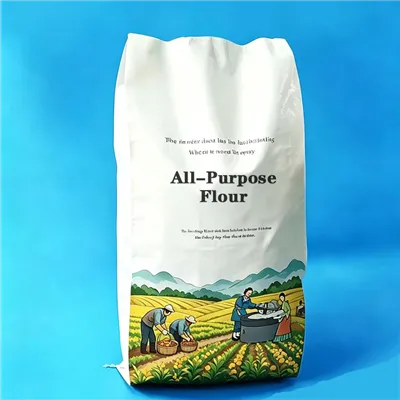
In addition, poly bag agriculture itself is a resource – efficient method. It allows for precise control of water, nutrients, and pest management. When combined with compost, it becomes an even more sustainable farming system that can contribute to global food security while minimizing environmental impact.
Contact for Purchase and洽谈
PP Woven Bags If you’re interested in enhancing your poly bag agriculture operations with the benefits of compost, I’d love to discuss how we can work together. As a leading supplier in this field, I can provide you with high – quality poly bags and expert advice on incorporating compost into your farming practices. Reach out to me, and let’s explore the possibilities of creating a more productive and sustainable agricultural future.
References
- Brady, N. C., & Weil, R. R. (2002). The Nature and Properties of Soils. Prentice Hall.
- Glenn, D. M. (2004). Compost Science and Engineering: Principles and Practice. Wiley – Interscience.
- Magdoff, F., & van Es, H. (2009). Building Soils for Better Crops: Sustainable Soil Management. Sustainable Agriculture Research and Education.
Liaoning Xunlian Packaging Products Co., Ltd.
Liaoning Xunlian Packaging Products Co., Ltd. is one of the most professional poly bag agriculture manufacturers and suppliers in China, featured by quality products and good service. Welcome to wholesale CE approved poly bag agriculture made in China here and get quotation from our factory. Customized orders are welcome.
Address: Chaoyang Industrial Park, Kangping, Shenyang, Liaoning, China.
E-mail: info@xunlianpack.com
WebSite: https://www.xunlianpack.com/
