Hey there! I’m a supplier of ball valves, and I’ve seen firsthand how important it is to keep these little guys in tip – top shape. Ball valves are super common in all sorts of industries, from plumbing to oil and gas. They’re used to control the flow of liquids and gases, and if they’re not maintained properly, well, things can go south pretty quickly. So, let’s dive into how to maintain a ball valve. Ball Valve
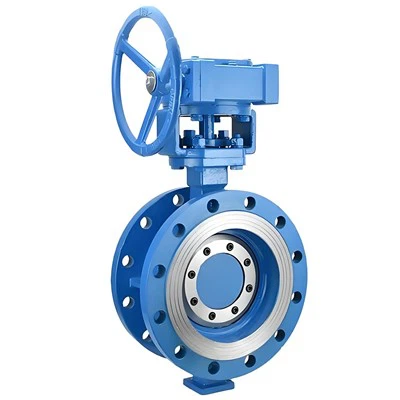
Regular Inspections
The first step in maintaining a ball valve is regular inspections. You should check your ball valves at least once a month, or more often if they’re in a high – use or high – stress environment. Start by looking at the exterior of the valve. Check for any signs of corrosion, rust, or damage. If you see any, it’s important to address it right away.
Next, check the valve’s operation. Open and close the valve a few times. It should move smoothly without any sticking or resistance. If you feel any grinding or if the valve doesn’t fully open or close, there could be an issue. You might need to clean the valve or replace some parts.
Also, check the seals. The seals are what prevent leaks, so they’re crucial. Look for any signs of wear or damage on the seals. If the seals are worn out, they’ll need to be replaced. A leaky valve not only wastes resources but can also be a safety hazard.
Cleaning
Cleaning your ball valve is an important part of maintenance. Over time, dirt, debris, and other contaminants can build up inside the valve, which can affect its performance. To clean a ball valve, first, make sure the valve is closed and the system is depressurized.
You can use a mild detergent and a soft brush to clean the exterior of the valve. For the interior, you might need to disassemble the valve. Be careful when doing this, as you don’t want to damage any parts. Once you’ve removed the valve’s components, soak them in a cleaning solution. You can use a commercial valve cleaner or a mixture of water and vinegar.
After soaking, use a brush to gently scrub away any dirt or debris. Rinse the parts thoroughly with clean water and let them dry completely before reassembling the valve. Make sure to follow the manufacturer’s instructions when reassembling the valve to ensure it’s put back together correctly.
Lubrication
Lubrication is key to keeping your ball valve operating smoothly. The moving parts of the valve need to be lubricated to reduce friction and wear. You should use a lubricant that’s specifically designed for ball valves.
Before applying the lubricant, make sure the valve is clean and dry. You can apply the lubricant to the valve stem and other moving parts. Be careful not to over – lubricate, as too much lubricant can attract dirt and debris, which can cause problems.
It’s a good idea to lubricate your ball valve every few months, or more often if it’s in a high – use environment. Regular lubrication will help extend the life of your valve and keep it working properly.
Tightening and Adjusting
Over time, the bolts and nuts on your ball valve can loosen. This can cause leaks or affect the valve’s operation. You should regularly check the tightness of the bolts and nuts. Use a wrench to tighten them if necessary, but be careful not to overtighten, as this can damage the valve.
You might also need to adjust the valve’s settings. For example, if the valve is not closing completely, you might need to adjust the position of the valve stem. Refer to the manufacturer’s instructions for how to make these adjustments.
Storage
If you’re not using a ball valve for a while, proper storage is important. Store the valve in a clean, dry place. Make sure it’s protected from dust, moisture, and extreme temperatures. If possible, store the valve in its original packaging or a protective case.
Before storing the valve, clean and lubricate it. This will help prevent corrosion and keep the valve in good condition. When you’re ready to use the valve again, give it a thorough inspection before installing it.
Dealing with Common Problems
Even with regular maintenance, you might run into some problems with your ball valve. One common problem is a leak. If you notice a leak, first, check the seals. If the seals are worn or damaged, replace them. If the leak persists, there could be a problem with the valve body or the connections. You might need to replace the valve or have it repaired by a professional.
Another problem is a sticking valve. If the valve doesn’t open or close smoothly, it could be due to dirt or debris inside the valve. Try cleaning the valve as described above. If that doesn’t work, there could be a more serious issue, such as a damaged valve stem or ball. In this case, you might need to replace the valve.
Conclusion
Maintaining a ball valve isn’t rocket science, but it does require some attention. By doing regular inspections, cleaning, lubricating, and tightening, you can keep your ball valve in great shape for years to come. Remember, a well – maintained ball valve not only performs better but also lasts longer, which can save you money in the long run.
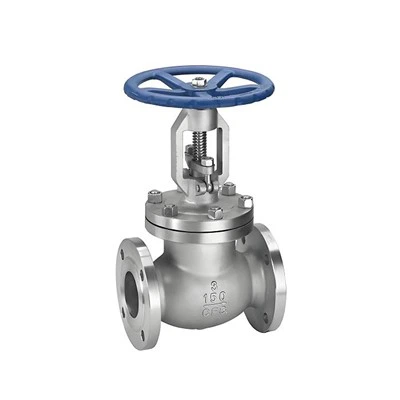
If you’re in the market for high – quality ball valves or need more advice on ball valve maintenance, don’t hesitate to reach out. We’re here to help you find the right valve for your needs and ensure it stays in top condition. Whether you’re a small – scale plumber or a large – scale industrial operation, we’ve got you covered. Let’s have a chat about your requirements and see how we can work together!
Butterfly Valve References:
- "Valve Handbook" by Robert A. Smith
- "Ball Valve Basics" published by Valve Manufacturers Association
- Various technical manuals from ball valve manufacturers
Wuxi PYNOS Flow-tech Co., Ltd.
As one of the leading ball valve manufacturers and suppliers in China, we offer a wide range of products with superior quality. We warmly welcome you to buy high quality ball valve made in China here from our factory. We also accept customized orders.
Address: Sales Center: 7th Floor, No.19 Qingyuan RD, Wuxi City, Jiangsu Prov., China
E-mail: Info@pynosvalve.com
WebSite: https://www.pynosvalves.com/
