Yo! As a supplier of Chlorine Dioxide Analyzers, I often get asked: "What the heck is the signal output of a Chlorine Dioxide Analyzer?" Well, let me break it down for you in a way that’s easy to understand. Chlorine Dioxide Analyzer

First off, a chlorine dioxide analyzer is a crucial tool in various industries. Whether it’s water treatment plants, food and beverage processing, or even in some medical settings, these analyzers are used to measure the concentration of chlorine dioxide accurately. And the signal output is how the analyzer communicates the data it’s gathered.
One of the most common signal outputs is the 4 – 20 mA current loop. This is like the industry standard for transmitting analog signals from sensors to control systems. Why is it so popular? Well, it’s pretty simple. The 4 – 20 mA signal is resistant to electrical noise, which can be a real pain in the butt in industrial environments. Electrical noise can interfere with the signal and make the data inaccurate. With a 4 – 20 mA loop, the signal is more reliable.
The way it works is that the 4 mA represents the lower end of the measurement range, and 20 mA represents the upper end. For example, if your chlorine dioxide analyzer is set to measure from 0 to 10 ppm (parts per million), 4 mA would correspond to 0 ppm, and 20 mA would correspond to 10 ppm. Any value in between can be calculated based on the current. So, if you measure 12 mA, you can figure out that the chlorine dioxide concentration is 5 ppm.
Another type of signal output you might see is the voltage output. This can be in the form of 0 – 5 V or 0 – 10 V, for instance. Voltage outputs are a bit easier to interface with some types of equipment, like data loggers or simple display units. But they’re also more susceptible to noise compared to the 4 – 20 mA current loop. So, if you’re in a noisy environment, you might want to think twice about using a voltage output.
Digital signal outputs are also becoming more and more popular these days. One of the common ones is Modbus. Modbus is a communication protocol that allows the analyzer to send data in a digital format. It’s great because you can connect multiple devices on the same network and easily transfer data between them. With a digital output like Modbus, you can get more detailed information about the measurement. You’re not just limited to a single analog value; you can access things like temperature compensation data, calibration status, and other diagnostic information.
RS – 232 and RS – 485 are also other digital communication options. RS – 232 is a serial communication standard that’s been around for a while. It’s useful for connecting the analyzer to a computer or a local control device. RS – 485, on the other hand, is better for longer – distance communication and can support multiple devices on the same bus.
Now, why does the signal output matter so much? Well, it’s all about integrating the analyzer into your existing system. You need to make sure that the signal output of the analyzer is compatible with the control system or data logging equipment you’re using. If there’s a mismatch, you might have trouble getting the data you need, or worse, the data might be incorrect.
For example, let’s say you have a water treatment plant with a centralized control system that only accepts 4 – 20 mA signals. If you buy a chlorine dioxide analyzer with a voltage output, you’re going to run into problems. You’ll either need to buy additional equipment to convert the voltage signal to a 4 – 20 mA signal, or you’ll have to change your control system, which can be a real hassle and cost a lot of money.
As a supplier, I’ve seen it all. I’ve helped customers who made the wrong choice when it comes to the signal output of their analyzer. That’s why I always recommend sitting down and figuring out exactly what your system needs before you make a purchase. Think about the distance between the analyzer and the control system, the level of electrical noise in your environment, and the type of data you need to collect.
If you’re not sure, don’t worry. We’re here to help. Our team of experts has years of experience in the field, and we can guide you through the process. We’ll help you choose the right chlorine dioxide analyzer with the appropriate signal output for your specific application.
Whether you’re dealing with a small – scale water treatment system in a local community or a large – scale industrial food processing plant, having the right signal output is crucial. It ensures that you’re getting accurate and reliable data about the chlorine dioxide concentration, which is essential for maintaining the quality of your process.
So, if you’re in the market for a chlorine dioxide analyzer, and you’re still scratching your head about the signal output, drop us a line. We’ll be more than happy to have a chat with you, answer your questions, and help you make the best decision for your business. Don’t let something as important as the signal output of your analyzer be a headache. We’re here to make it easy for you.
In summary, the signal output of a chlorine dioxide analyzer is the way it sends the data it measures to other devices. It can be analog, like 4 – 20 mA or voltage outputs, or digital, like Modbus, RS – 232, or RS – 485. Choosing the right signal output depends on your specific application requirements, and we’re here to assist you every step of the way.
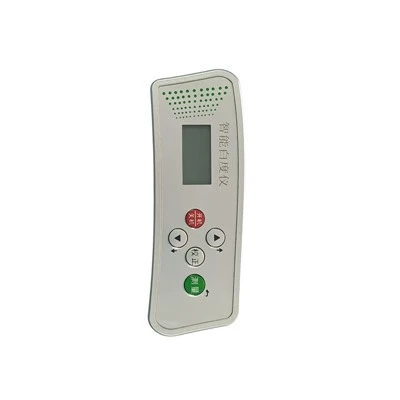
If you’re interested in learning more or are ready to discuss your purchase, reach out to us. We’re eager to partner with you and provide you with the best chlorine dioxide analyzer solution for your needs.
Dry Bath References
- Instrumentation and Control Systems textbooks
- Manufacturer’s manuals for chlorine dioxide analyzers
Hangzhou Qiwei Instrument Co., Ltd.
Hangzhou Qiwei Instrument Co., Ltd. is one of the most reliable manufacturers and suppliers of chlorine dioxide analyzer in China, featured by quality products and good service. Please rest assured to buy bulk durable chlorine dioxide analyzer in stock here from our factory. We also accept customized orders.
Address: Room 101, Building 25, No. 488-1, Donghu North Road, Linping District, Hangzhou City, Zhejiang Province, China
E-mail: info@qiweilab.com
WebSite: https://www.qiweilab.com/
