What are the common problems with digital endoscope parts?
As a seasoned supplier of digital endoscope parts, I’ve witnessed firsthand the diverse challenges that can arise in this high – tech and precision – driven field. Digital endoscopes are invaluable tools in medical, industrial, and other inspection applications, but their performance depends heavily on the quality and functionality of each component. In this blog, I’ll share insights into some of the most common problems we encounter with digital endoscope parts. Digital Endoscope Parts

1. Image Quality Issues
One of the most critical aspects of a digital endoscope is its ability to produce clear and accurate images. Many problems can compromise the image quality.
- Pixelation and Blurriness: This often occurs due to issues with the image sensor. Over time, the image sensor can accumulate dirt, dust, or even suffer damage from physical impacts. Low – quality image sensors with a limited number of pixels can also lead to pixelated images. Additionally, problems with the lens system, such as scratches or misalignment, can cause blurry images. A scratched lens can scatter light, while a misaligned lens may not focus the light properly onto the image sensor.
- Color Distortion: Color accuracy is essential, especially in medical applications where accurate color representation can help in the diagnosis of diseases. Color distortion can be caused by improper white balance settings. If the endoscope is used in different lighting conditions without proper calibration, the colors in the image may appear inaccurate. Another factor could be a malfunctioning image processing unit. This unit is responsible for adjusting the color values of the image captured by the sensor. Any faults in this unit can lead to color shifting or unnatural color saturation.
2. Cable and Connector Problems
Cables and connectors are the lifelines of a digital endoscope, transmitting data, power, and control signals. They are also prone to several issues.
- Cable Breakage: The cables in a digital endoscope are often subjected to repeated bending, twisting, and pulling during use. Over time, this can cause the internal wires to break. In medical settings, where endoscopes are frequently inserted and removed from patients’ bodies, the cables are at a higher risk of damage. Once a cable breaks, it can lead to a loss of signal transmission, resulting in a complete failure of the endoscope or intermittent problems such as flickering images or loss of function of certain features.
- Connector Corrosion: Connectors are exposed to various environmental factors, including moisture and chemicals. In industrial inspection settings, endoscopes may be used in harsh environments where they come into contact with corrosive substances. Corrosion on the connectors can disrupt the electrical connection between different parts of the endoscope, leading to poor performance or even complete failure. Loose connections can also cause similar problems. If the connectors are not properly seated or if the locking mechanisms are damaged, the endoscope may experience intermittent signal loss.
3. Light Source Problems
The light source is crucial for illuminating the area being inspected. Without proper lighting, the image quality will be severely affected.
- Dim or Flickering Light: A common problem with the light source is a decrease in brightness over time. This can be due to the aging of the light – emitting diodes (LEDs) used in modern digital endoscopes. LEDs have a limited lifespan, and as they age, their light output decreases. Flickering light can be caused by issues with the power supply to the light source. If the power supply is unstable or if there are problems with the driver circuit that controls the LEDs, the light may flicker, making it difficult to obtain clear images.
- Inconsistent Lighting: In some cases, the lighting across the field of view may be inconsistent. This can be due to a faulty lens or reflector within the light source assembly. The lens is responsible for spreading the light evenly, and if it is damaged or dirty, the light may be concentrated in some areas and dim in others. A misaligned reflector can also cause uneven distribution of light.
4. Mechanical and Structural Problems
The physical structure of a digital endoscope is designed to withstand the rigors of use, but it can still experience problems.
- Flexible Tube Damage: The flexible tube of an endoscope is a complex and delicate component. It allows the endoscope to navigate through curved passages in the body or industrial equipment. However, it is vulnerable to damage. Bending the tube beyond its limits can cause the internal wires or components to break. Exposure to sharp objects can puncture the tube, leading to ingress of moisture or other contaminants, which can damage the internal parts.
- Joint and Articulation Issues: Many digital endoscopes have joints and articulation mechanisms that allow for precise control of the viewing direction. These joints can experience wear and tear over time. The lubrication in the joints may dry out, causing the movement to become stiff or jerky. Loose or damaged parts in the articulation mechanism can also lead to inaccurate control of the viewing angle.
5. Software and System – Level Issues
In addition to hardware problems, digital endoscopes rely on software for functions such as image processing, control, and data storage.
- Software Bugs: Software bugs can cause a variety of problems, from minor glitches such as incorrect menu display to major issues like system crashes. Software developers may introduce bugs during the development process, and these bugs may not be fully detected during testing. As new features are added or the software is updated, compatibility issues can also arise, leading to software malfunctions.
- Data Storage and Transfer Problems: Digital endoscopes often need to store and transfer images and data for further analysis. Problems with the data storage system, such as a full or corrupted memory card, can prevent the endoscope from saving important images. Issues with the data transfer interface, such as a faulty USB port or problems with the wireless connectivity, can make it difficult to transfer the data to external devices.
How to Solve These Problems?
As a supplier of digital endoscope parts, we play a crucial role in addressing these common problems. We offer high – quality replacement parts to fix hardware issues. For image quality problems, we provide state – of – the – art image sensors and lenses with high resolution and excellent color accuracy. Our cables and connectors are made with durable materials and undergo strict quality control to ensure reliable signal transmission.
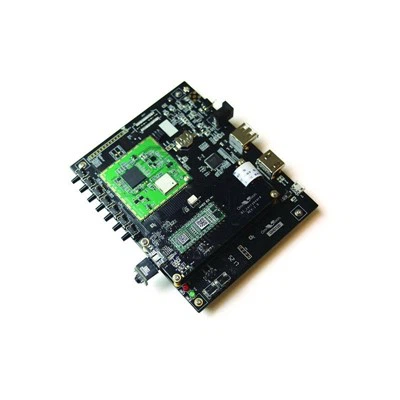
For software – related problems, we work closely with software developers to provide updates and patches to fix bugs and improve system performance. We also offer technical support to help our customers troubleshoot problems and ensure that their digital endoscopes are operating at their best.
Disposable Surgical Instruments If you are facing any issues with your digital endoscope parts or are in need of high – quality replacement parts, we are here to assist you. Our team of experts has extensive knowledge and experience in the digital endoscope industry. We can provide you with customized solutions based on your specific requirements. Contact us for more information about our products and to start a procurement discussion.
References
- Smith, J. (2020). Advances in Digital Endoscope Technology. Medical Imaging Journal.
- Brown, A. (2019). Troubleshooting Guide for Digital Endoscopes. Industrial Inspection Review.
- Green, M. (2018). The Role of Software in Digital Endoscope Performance. Technology in Healthcare.
Zhejiang Jiacheng Medical Instrument Co., Ltd.
We’re well-known as one of the leading digital endoscope parts manufacturers and suppliers in China, specialized in providing high quality customized service to global clients. Please feel free to buy discount digital endoscope parts from our factory. Contact us for more details.
Address: Building 8, Shutai · Fuchun Innovation Park, No. 516, Majia Road, Fengchuan Subdistrict, Tonglu County, Hangzhou, Zhejiang Province, China
E-mail: Ken.huangfu@jiachengmedical.com
WebSite: https://www.jiachengmedical.com/
