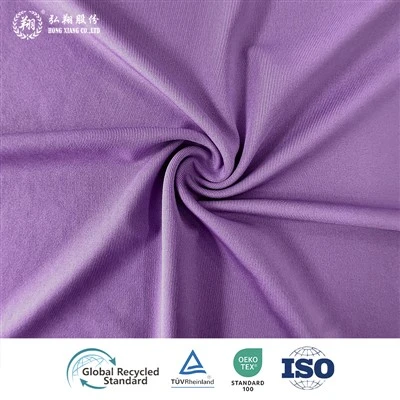
Absolutely, you can make your own embossed fabric at home! As a seasoned embossed fabric supplier, I’ve seen a growing interest in DIY fabric embossing. It’s a creative and rewarding endeavor that allows you to personalize your fabrics, turning ordinary material into something extraordinary. In this blog, I’ll guide you through the process, share some tips and tricks, and discuss the advantages and limitations of making embossed fabric at home. Embossed Fabric
Understanding the Basics of Fabric Embossing
Before we dive into the DIY process, let’s understand what fabric embossing is. Embossing is a technique that creates a raised or recessed design on a fabric surface. This is typically achieved by applying pressure and heat to the fabric between two dies or rollers with a patterned surface. The pressure and heat cause the fabric fibers to deform, creating a permanent design.
There are several types of embossing techniques, including:
- Hot Embossing: This method uses heat and pressure to emboss the fabric. It’s commonly used in industrial settings but can also be adapted for home use with the right equipment.
- Cold Embossing: As the name suggests, cold embossing doesn’t require heat. It relies on high pressure to create the embossed design. This technique is often used for delicate fabrics that may be damaged by heat.
- Blind Embossing: This is a type of embossing where the design is created without the use of additional ink or foil. The design is visible only through the raised or recessed texture on the fabric.
Materials and Equipment Needed
To make embossed fabric at home, you’ll need the following materials and equipment:
- Fabric: Choose a fabric that is suitable for embossing. Natural fibers like cotton, linen, and wool are good choices, as they tend to hold the embossed design well. Synthetic fibers can also be used, but they may require different settings on your embossing equipment.
- Embossing Dies or Stencils: You can purchase pre-made embossing dies or stencils from craft stores or online. Alternatively, you can create your own designs using a laser cutter or a 3D printer.
- Embossing Machine: There are several types of embossing machines available for home use, including manual pressing machines, heat presses, and embossing folders. Choose a machine that suits your needs and budget.
- Heat Protectant Sheet: This is used to protect your embossing machine and fabric from heat damage. You can purchase a heat protectant sheet from a craft store or use a piece of parchment paper.
- Scissors and Ruler: These basic tools are essential for cutting and measuring your fabric.
Step-by-Step Guide to Making Embossed Fabric at Home
Now that you have all the necessary materials and equipment, let’s get started with the DIY process:
- Prepare Your Fabric: Cut your fabric to the desired size and shape. Make sure the fabric is clean and free of any wrinkles or debris.
- Choose Your Embossing Design: Select an embossing die or stencil that you like. Place the die or stencil on top of the fabric, making sure it is centered and aligned properly.
- Set Up Your Embossing Machine: Follow the manufacturer’s instructions to set up your embossing machine. This may involve adjusting the temperature, pressure, and time settings.
- Place the Fabric and Die in the Machine: Carefully place the fabric and die between the heat plates or rollers of the embossing machine. Make sure the fabric is positioned correctly and that there are no wrinkles or folds.
- Apply Pressure and Heat: Close the embossing machine and apply pressure and heat according to the manufacturer’s instructions. This may take a few seconds to a few minutes, depending on the type of machine and fabric you are using.
- Remove the Fabric from the Machine: Once the embossing process is complete, carefully open the embossing machine and remove the fabric. Let the fabric cool down for a few minutes before handling it.
- Trim and Finish the Fabric: Use scissors to trim any excess fabric from the edges of the embossed design. You can also add additional embellishments, such as beads, sequins, or embroidery, to enhance the design.
Tips and Tricks for a Successful DIY Embossing Project
Making embossed fabric at home can be a fun and rewarding experience, but it does require some practice and patience. Here are some tips and tricks to help you achieve the best results:
- Test Your Design First: Before embossing your final fabric, it’s a good idea to test your design on a scrap piece of the same fabric. This will allow you to adjust the temperature, pressure, and time settings as needed and ensure that you are happy with the results.
- Use a Heat Protectant Sheet: A heat protectant sheet will help prevent the fabric from sticking to the embossing machine and protect it from heat damage. Make sure to place the heat protectant sheet between the fabric and the heat plates or rollers.
- Apply Even Pressure: To ensure a uniform embossed design, it’s important to apply even pressure across the entire surface of the fabric. You can use a rolling pin or a flat object to apply pressure evenly.
- Let the Fabric Cool Down: After embossing, let the fabric cool down completely before handling it. This will allow the embossed design to set and prevent it from smudging or losing its shape.
- Experiment with Different Fabrics and Designs: Don’t be afraid to experiment with different types of fabrics and embossing designs. This will allow you to create unique and personalized embossed fabrics that reflect your style and creativity.
Advantages and Limitations of Making Embossed Fabric at Home
Making embossed fabric at home has several advantages, including:
- Cost-Effective: Making your own embossed fabric at home can be more cost-effective than purchasing pre-made embossed fabric, especially if you only need a small quantity.
- Customization: DIY fabric embossing allows you to create unique and personalized designs that are not available in stores. You can choose your own fabric, embossing design, and color, giving you complete control over the final product.
- Creative Expression: Embossing fabric is a creative and rewarding hobby that allows you to express your creativity and showcase your skills. You can use your embossed fabrics to create a variety of items, such as clothing, accessories, home decor, and more.
However, there are also some limitations to making embossed fabric at home, including:
- Limited Equipment: Home embossing machines may not have the same capabilities as industrial embossing equipment, which can limit the size and complexity of the embossed designs you can create.
- Time-Consuming: Making embossed fabric at home can be a time-consuming process, especially if you are embossing a large quantity of fabric or using a manual embossing machine.
- Learning Curve: DIY fabric embossing requires some practice and patience to master. It may take a few attempts to achieve the desired results, especially if you are new to the process.
When to Consider Purchasing from a Supplier
While making embossed fabric at home can be a fun and rewarding experience, there are times when it may be more practical to purchase embossed fabric from a supplier. Here are some situations where purchasing from a supplier may be a better option:
- Large Quantity Orders: If you need a large quantity of embossed fabric for a commercial project or event, it may be more cost-effective and efficient to purchase from a supplier. Suppliers can offer bulk pricing and faster turnaround times than making the fabric at home.
- Complex Designs: If you need to create complex or detailed embossed designs that are difficult to achieve at home, a supplier may have the necessary equipment and expertise to produce the desired results.
- Professional Quality: Suppliers typically use high-quality materials and equipment to produce embossed fabrics, which can result in a more professional and durable finish. If you need embossed fabric for a professional project or event, purchasing from a supplier may be the best option.
Conclusion
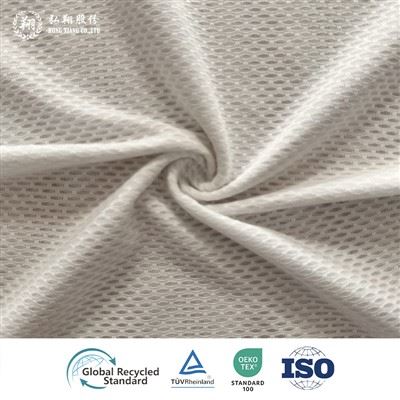
In conclusion, making your own embossed fabric at home is definitely possible and can be a fun and rewarding creative endeavor. With the right materials, equipment, and techniques, you can create unique and personalized embossed fabrics that reflect your style and creativity. However, it’s important to keep in mind the limitations of home embossing and consider purchasing from a supplier for large quantity orders, complex designs, or professional quality.
Brushed Knit Fabric If you’re interested in exploring a wider range of embossed fabric options or have specific requirements for a project, feel free to reach out for a consultation. We are here to provide you with expert advice, high-quality products, and competitive pricing. Whether you’re a small business owner, a designer, or a crafter, we can help you find the perfect embossed fabric for your needs.
References
- "Fabric Embossing Techniques" by Craft Magazine
- "DIY Fabric Embossing: A Beginner’s Guide" by The Spruce Crafts
- "How to Make Embossed Fabric at Home" by HGTV
Zhejiang Hongxiang Textile Technology Co., Ltd.
Address: No. 8, 12th Road, Warp Weaving Park, Maqiao Street, Haining City, Jiaxing City, Zhejiang Province
E-mail: gd@hongxiang888.cn
WebSite: https://www.h-xiang.com/
