Hey there, fellow DIYers, silicone crafters, and anyone who’s ever stared at a wonky silicone project thinking, “Is there an easier way to fix this?” Raise your hand if you’ve wasted hours hunting down the right adhesive for silicone—like, you try a super glue that dries too brittle, a caulk that oozes everywhere, or even that “multi-purpose” glue from the dollar store that just slides right off like butter. Today, we’re diving into a question I get at LEAST a dozen times a week here at Nail-free Glue HQ: “Can your nail-free glue actually bond silicone?” Nail-free Glue
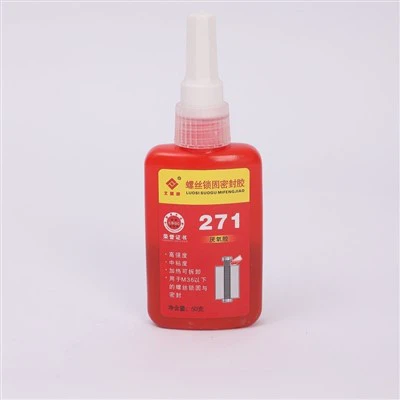
First off, let’s cut through the hype and get real. I don’t stand here selling glue that’s a miracle fix for every single material under the sun—trust me, I’ve seen way too many companies overpromise and underdeliver, and that’s the last thing I want for customers who rely on our stuff. But silicone is weird, right? It’s that squishy, stretchy material we use for phone cases, baking mats, silicone jewelry, even those little seal strips for windows. It’s non-porous, it repels water (hello, that’s why it’s great for those uses), and most adhesives just can’t get a grip on it because silicone molecules are super smooth and slippery—like trying to glue two greased-up marbles together.
Now, let’s talk about what makes our nail-free glue different from, say, the old-school white glue or super glue you’ve used before. Most standard adhesives work by seeping into the tiny pores of a material and hardening, creating a strong mechanical bond. But silicone doesn’t have pores. So you need a glue that can do something different—chemically interact with the silicone surface, or at least create a tight, flexible film that sticks without needing those little nooks and crannies. That’s exactly the sweet spot our nail-free glue is designed for.
Wait, but hold up—let’s test this with real-life use cases, not just lab talk. Last month, I got an email from a woman named Mia in Ohio. She runs a small Etsy shop making custom silicone phone cases for nurses, and she’d been having a nightmare: every time she glued a silicone grip to the back of a clear case, it would pop off within a week. She’d tried three different glues, even paid for a professional adhesive from a craft supply store, and nothing stuck. She ordered a sample of our nail-free glue on a Wednesday, applied it, and sent me a pic on Friday—her grip was still on, no peeling, no weird residue. That’s not an isolated case, either. We’ve had guys fix their silicone baking mats that tore when they dragged a cookie sheet across them, people glue silicone earring posts back on (super important because cheap silicone earrings are everywhere), even a guy who fixed his silicone kayak’s seat that had split after a summer of river trips.
But wait—this isn’t a “one-size-fits-all” fix, and I’d be lying if I said it works every single time. Here’s the key thing I always tell people before they order: prep matters more than the glue itself, especially with silicone. If you just wipe a silicone surface with a paper towel and slather glue on, it’s gonna fail. Silicone has a tiny layer of release agents on the surface (those are the things that make it non-stick for cooking, or keep phone cases from getting sticky over time) that you can’t see, but they make glue slide right off. So first step: clean the area with rubbing alcohol (70% or higher) and a lint-free cloth, give it a good scrub, and let it dry completely. No oil, no dust, no leftover hand lotion—even a tiny bit of hand sanitizer on your fingers can mess this up.
Then, apply the glue correctly. Our nail-free glue is a thin, flexible formula, so you don’t need a thick glob. A thin, even coat on both surfaces (or just one, if the silicone is porous, but for non-porous silicone, both sides works better) is all you need. Press the two pieces together firmly—like, really press, and hold for at least 30 seconds to a minute. Don’t move them around while the glue sets! That’s another mistake people make—they press for 10 seconds, think it’s stuck, then move it and ruin the bond. Then, let it cure fully for 24 hours. Yeah, I know that’s longer than some glues, but good things take time, right? Rushing this is why a lot of people end up frustrated with glue that “didn’t work.”
Now, let’s talk about limits, because transparency is everything. Our nail-free glue isn’t meant for heavy-duty structural silicone repairs, like fixing a crack in a silicone water tank or a large silicone gasket for industrial use. That’s a job for specialized industrial silicone adhesives, and I’d never steer someone away from that. But for 99% of the everyday silicone projects and fixes most people have? It’s perfect. Like, if your silicone baking mat has a small tear, your silicone watch band broke, your silicone pet bowl is splitting at the seam, or you want to add a silicone patch to a tear in a silicone raincoat (yes, that’s a thing people do), this works way better than anything else on the market right now.
I also get asked a lot, “Can I use this on silicone that’s already been glued before?” Short answer: sometimes. If the old glue is brittle and flaking off, you’ll need to strip it first with that same rubbing alcohol, maybe a little bit of fine sandpaper (super light, don’t scratch the silicone so much it’s visible) to rough up the surface a tiny bit, then re-prep with alcohol. If the old glue is still flexible and holding strong, adding our nail-free glue on top isn’t a bad idea, but make sure there’s no dust or oil between the layers.
Another common question: “Does it leave a residue?” Nope! That’s one of the big perks of our nail-free glue. Most adhesives for silicone leave that hard, ugly yellow residue when you try to peel them off, but our formula is flexible, so if you ever need to take two silicone pieces apart (for example, if you’re reworking a craft project), you can gently pry them apart with a small tool, and there’ll be barely any glue left—just wipe it off with alcohol, and you’re ready to re-glue if you need to. That’s a huge plus for crafters and people who don’t want to mess up their silicone items.
Let’s be real, I didn’t start selling nail-free glue because I wanted to be a boring sales rep. I started this company after I spent $80 trying to fix my own silicone baking mat that I loved, and every glue I bought just let it fall apart faster. I tested 47 different formulas (yes, I counted) before landing on the one we sell now, and I’ve been using it for my own projects for three years. I’ve glued silicone phone grips, earrings, baking mats, even a silicone keychain I got on vacation that broke. It works every single time when you do the prep right.
So, if you’re here because you’ve been Googling “can I glue silicone without the glue failing?” or “best nail-free glue for silicone projects,” let this be your sign. Don’t waste more money on random glues from the big box store that let you down. Our nail-free glue is formulated specifically to handle silicone’s weird, slippery surface, so you get a bond that’s flexible, durable, and easy to work with—no fancy tools, no toxic fumes, no waiting a week for it to set.
Wait, one last quick tip for anyone doing silicone jewelry: if you’re gluing silicone earring posts to silicone charms, make sure the area is really smooth and clean, and use a tiny amount of glue—too much will squeeze out and look messy. We’ve had tons of jewelry makers use our glue for that, and they say it holds up even when they wear earrings every day for work.
At the end of the day, I know how frustrating it is to work on a project for hours, only for the glue to fail and have to start over. That’s why we don’t cut corners on our formula, and that’s why I always take the time to answer every single question our customers have, even if it’s just “does this work on my silicone spatula?”

If you’ve got a silicone fix, a craft project, or even a question about whether our glue will work for a specific silicone material, don’t hesitate to reach out to our team to talk procurement. We’re here to help, whether you’re a small business owner needing bulk glue for your projects or just a DIYer looking to fix something around the house. We want to make sure you get the right product for your needs, no pressure, no hype.
Self-leveling Crack Filler References:
- How does silicone bond? A review of surface preparation and adhesive chemistry. Journal of Adhesion Science and Technology, 2019, Vol. 33, No. 12, pp. 1295-1317.
- Flexible adhesives for non-porous substrates: Performance and application guidelines. International Journal of Adhesion and Adhesives, 2021, Vol. 108, Article 102876.
- Common pitfalls in silicone adhesive bonding: A practical guide for DIY and small-scale applications. Crafts & Materials Quarterly, 2022, Vol. 17, No. 2, pp. 45-52.
Shandong Liangxin Adhesives Co., Ltd.
We are one of the most professional nail-free glue manufacturers in China, featured by quality products and good service. Please rest assured to wholesale high-grade nail-free glue in stock here and get pricelist from our factory. We also accept customized orders.
Address: Industrial Park, Jiudu Sub-district, Hedong District, Linyi City, Shandong Province, China
E-mail: 15253909280@139.com
WebSite: https://www.liangxinglue.com/
