If you’ve ever dug into the pipes, valves, and control components that make a commercial refrigeration unit or a grocery store walk-in cooler run, you might’ve paused mid-inspection and wondered: Can valve accessories—those small, specialized parts we suppliers spend all day engineering, testing, and shipping—actually work in a refrigeration system? As a valve accessories supplier with 12 years in the game, I’ve fielded this question from HVAC techs, plant maintenance managers, and even small-business owners trying to troubleshoot a busted reach-in cooler for their café. The short answer is yes—most valve accessories are not only compatible with refrigeration systems, they’re often the unsung heroes that keep those systems efficient, safe, and long-lasting. Let’s break this down, because it’s not just a yes or no; it’s about matching the right accessory to the right refrigeration application, and that’s where we come in as a supplier you can trust for real, application-specific parts. Valve Accessories
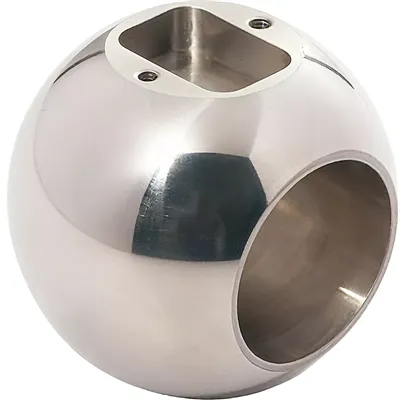
First, let’s get clear on what we’re talking about when we say “valve accessories.” This isn’t some random add-on you bolt to a valve for fun. The category includes things like valve stem extensions, pressure relief valve backup sensors, solenoid coil insulators, valve position indicators, and line strainers built to mount directly to refrigeration valves. Each of these parts is designed to solve a specific pain point that comes with operating a refrigeration system, which operates in extreme, temperature-sensitive environments that most other fluid systems never see. Think about it: a residential AC system runs mostly in mild to hot ambient temps, but a walk-in freezer in a grocery store cycles between -20°F for storage and 70°F when someone’s door is open. A cold storage warehouse might see even wider swings, plus constant moisture buildup and refrigerant pressure spikes that would make a standard valve fail fast. That’s why generic parts don’t cut it—you need accessories built to survive those conditions, and that’s exactly what we specialize in.
Let’s start with the most common use case, because it’s the one I get asked about most: pressure relief valve (PRV) accessories for refrigeration systems. PRVs are non-negotiable in any system that uses refrigerant—they’re the fail-safes that open automatically if pressure gets too high, preventing pipes from bursting, which would spill toxic, flammable refrigerants (like R-32 or R-410A, common in modern systems) and cause costly damage or safety hazards. But a PRV only works if you can confirm it’s operational, right? That’s where pressure relief valve monitoring accessories come in. These aren’t the old, clunky mechanical gauges that techs have to climb a ladder to read; we make electronic backup sensors that mount directly to PRV outlets, sending real-time pressure data to a building management system (BMS). Here’s why that matters for refrigeration: if a PRV fails to trigger during a pressure spike in a 50,000-square-foot cold storage warehouse, you’re not just looking at a broken cooler—you’re looking at thousands of dollars in lost inventory, emergency service calls, and potential OSHA violations. I had a customer last year, a food distribution company in the Midwest, that tried to skip these sensors to cut costs. Their 20,000 sq ft freezer had a refrigerant line overpressure event in the middle of a holiday weekend. By the time their on-call tech got there, 10 pallets of frozen turkeys were ruined, and the repair bill was $18,000. That’s way more than the cost of two PRV sensor sets, which we supply for under $500 total. This is exactly how valve accessories add value to refrigeration systems—they’re not an extra; they’re a cost-saving safety measure.
Next up, valve actuators and position indicators, which are critical for modulating refrigeration flow. Most people don’t realize that modern commercial refrigeration systems don’t just turn on and off—they modulate refrigerant flow to match the load, whether that’s a café reach-in cooler during a slow morning or a grocery store case at peak shopping time. Solenoid valve actuators, which are a type of valve accessory, do the heavy lifting here: they open and close the valve at precise intervals, regulating how much liquid refrigerant moves to the evaporator coils. But here’s the catch: standard solenoid actuators don’t hold up to the constant temperature cycling in refrigeration. We tested a batch of off-the-shelf actuators a few years ago in our lab, cycling them between -40°F and 120°F over 10,000 cycles (about 6 months of continuous operation). Half of them failed before the 5,000th cycle, mostly because their plastic housings cracked from thermal expansion and contraction. Our custom refrigeration-grade actuators, though, use heat-treated aluminum housings and high-grade solenoid coils rated for refrigerant compatibility, and they passed the full 10,000 cycle test with zero issues. That’s the difference between a valve accessory designed for refrigeration and one that’s just repurposed from another industry.
Another big one: valve stem extensions for hard-to-reach refrigeration valves. I know this seems trivial, but ask any HVAC tech who’s spent 2 hours on their knees under a 10-year-old walk-in cooler, trying to twist a tiny valve stem that’s hidden behind insulation and pipework. For small refrigeration systems, that’s a nuisance, but for large cold storage facilities, valve maintenance is non-negotiable to prevent downtime. Every valve on a refrigeration line needs to be regularly inspected and tested, and if you can’t reach the stem, you’re skipping that step. We supply insulated valve stem extensions specifically sized for refrigeration valves, with built-in locking mechanisms so they don’t slip when a tech is working in a tight, cold space. A recent customer in Texas told us that since they started using our extensions, their valve inspection time dropped by 40%, and they haven’t had a single missed valve check that led to a pressure buildup issue. That’s the kind of practical impact valve accessories have that most system designers don’t plan for until it’s too late.
Wait, but there are limits, right? Not every valve accessory works for every refrigeration application. I make sure to be upfront with every customer about this, because I don’t want to sell them a part that doesn’t fit their needs. For example, if you’re working with a low-pressure refrigeration system, like a small residential fridge, our high-pressure PRV sensors aren’t necessary—they’d be overkill and add unnecessary cost. Similarly, some valve accessories are designed for specific refrigerant types: parts built for ammonia systems (used in large industrial refrigeration) are made with corrosion-resistant materials that aren’t needed for systems using HFC refrigerants, and vice versa. Ammonia is highly corrosive to copper and standard steel, so any accessory for ammonia refrigeration needs to be stainless steel or coated with a chemical-resistant polymer, while HFC systems work fine with brass accessories. That’s the nuance that comes from working as a valve accessories supplier, not just a parts seller—we don’t just send out a catalog part; we ask about your system’s refrigerant type, operating pressure, temperature range, and application, then match the right accessory.
I also want to talk about energy efficiency, because that’s a huge priority right now for everyone from small café owners to large chain grocers. Refrigeration systems use about 15% of all commercial energy in the U.S., according to the Department of Energy, so even small improvements can add up to big savings. Valve accessories play a big role here: line strainers, which are installed on the inlet side of refrigerant valves, prevent debris from getting into the valve and causing it to leak or operate inefficiently. A clogged valve uses 10-15% more energy, because it has to work harder to push refrigerant through a restricted line. Our stainless steel line strainers for refrigeration systems have a fine mesh that catches even tiny debris, and they’re designed to be cleaned without removing the entire valve, so maintenance is quick. A customer in Chicago that runs a 20-store grocery chain switched to our strainers two years ago, and they reported a 8% average drop in their refrigeration energy bills across all stores. That’s not a small win—for a store with $200,000 annual energy costs, that’s $16,000 back in their pocket every year.
But let’s get back to the original question: Can valve accessories be used in a refrigeration system? I’ve been in this business long enough to see parts work and fail, and the answer is a resounding yes—when you use the right accessories for the right application. The key is that they have to be engineered specifically for refrigeration’s unique conditions: extreme temperature cycling, exposure to corrosive refrigerants and moisture, long periods of continuous operation, and strict safety regulations. Generic parts from a hardware store won’t cut it, but specialized valve accessories built for refrigeration are not only compatible—they’re essential to keeping systems safe, efficient, and long-lasting.
If you’re a maintenance manager, HVAC tech, or system designer working on a refrigeration project and you’re not sure what accessories you need, or if you’re running into an issue with your current parts failing, I’m here to help. As a valve accessories supplier with years of hands-on experience working with refrigeration systems, I don’t just sell parts—I offer guidance to make sure you get exactly what you need, no overpriced add-ons, no one-size-fits-all mistakes. We can walk through your system requirements, share data from our lab tests, and recommend accessories that will fit your budget and your application. Reach out to connect with our team, and let’s make sure your refrigeration system runs as smoothly and efficiently as possible.
By Structure REFERENCES
ASHRAE Handbook: Refrigeration Systems and Applications, American Society of Heating, Refrigerating and Air-Conditioning Engineers, 2021.
U.S. Department of Energy, "Energy Efficiency Improvement Opportunities for Commercial Refrigeration," 2020.
Valve Accessories Testing Standards, International Society of Automation (ISA), 2019.
Zhejiang Jigong Valve Co., Ltd.
Zhejiang Jigong Valve Co., Ltd. is one of the most professional valve accessories manufacturers and suppliers in China, also supports customized service with low price. Please feel free to wholesale durable valve accessories made in China here from our factory. For quotation, contact us now.
Address: Dongou Industrial Park, Oubei Subdistrict, Yongjia County, Wenzhou City, Zhejiang Province (within Zhejiang Yinhe Machinery Manufacturing Co., Ltd.)
E-mail: Sales@cnzjsk.com.cn
WebSite: https://www.ball-china.com/
