If you’re someone who invests in lash extensions (and let’s be real, that feeling of waking up with full, fluttery lashes without touching a mascara wand is unbeatable), you know lash remover is your MVP for when extensions are ready to be taken off. But here’s something most people don’t talk about: the step after the remover does its job—cleaning your natural lashes. That’s where I come in. I’m on the front lines as a supplier of lash removers, working with lash techs and home users every day, and I hear the same questions over and over: “Why does my natural lash feel so greasy after removal?” “Am I damaging my lashes if I scrub too hard?” “How do I make sure no leftover adhesive is hiding in my lash roots?” Today, I’m breaking down the science of post-remover lash care, straight from someone who develops and tests products for living, breathing people (no AI here—just years of listening to real users and troubleshooting the messy, relatable stuff). Eyelash Remover

First, let’s get one thing straight: lash removers aren’t one-size-fits-all, but almost every high-quality remover we supply is formulated to break down the lash adhesive (the sticky stuff that bonds extensions to your natural lashes) without harsh chemicals that burn your eyes or strip your lashes. Most of the time, that remover leaves behind a thin layer of residue: leftover adhesive fragments, leftover remover solution, and sometimes, if you’re at-home, a little bit of mascara or eye makeup you might have missed before starting the removal process. That residue is the main culprit if your lashes feel weak, look dull, or even get irritated a day after removal. Skipping this cleaning step is like washing your face and stopping after the first splash of water—you’re leaving grime behind.
Now, let’s talk about what NOT to do, because I’ve seen way too many people make these mistakes when they’re tired or in a hurry to get clean. The first big no-no: scrubbing hard with a regular face wash or a rough towel. Natural lashes are super delicate—each one is a hair that grows from a follicle on your eyelid, and pulling or scrubbing too hard can cause follicle damage, which leads to lash breakage or even thinner lashes over time. Another mistake: using oil-based cleansers right after removal. Wait, oil-based? Isn’t that what removes lash adhesive? It is, but right after the remover has done its job, your lash roots are temporarily more porous and sensitive. Oil can seep into those pores, clog them, and make it harder for new lashes to grow. We’ve seen this in our lab tests—users who used oil cleansers within 24 hours of removal had 30% more lash breakage than those who waited. Pro tip from our team: save oil cleansers for after 48 hours, when your lash roots have had time to recover.
So, what IS the right way to clean your lashes after using a lash remover? Let’s break it down into simple, science-backed steps that work for both at-home users and lash techs. First, you need the right tools. Don’t grab a regular face wash bottle or a cotton ball that’s too rough. We recommend two key tools: a pH-balanced, oil-free lash cleanser (not a regular facial cleanser—regular cleansers often have fragrances or harsh surfactants that irritate the eye area) and a clean, soft microfiber brush (the same kind lash techs use to clean lashes during appointments). Microfiber is gentle enough that it won’t pull lashes, but dense enough to lift away residue that’s stuck in between lash strands.
Let’s walk through the step-by-step process, tested by our product team with over 200 users, to make sure it’s effective but safe. Step 1: Start with clean hands. This is non-negotiable. If your hands have dirt, oil, or leftover makeup, you’re just transferring that to your lashes while you clean. Wash your hands with mild soap and dry them with a clean towel—no sharing towels, because that’s how bacteria gets in, which can cause eye infections. Step 2: Apply a tiny bit of lash cleanser to your microfiber brush. You don’t need a lot—just a pea-sized amount is enough. Too much cleanser can get in your eyes and cause irritation, which is the last thing you want right after removing extensions. Step 3: Gently brush your lashes from root to tip. Hold the brush parallel to your lash line, and use small, circular motions only on the surface of the lashes—don’t press down hard on the lash roots. If you’re looking at your lower lashes too, use a fresh part of the brush to avoid cross-contamination between upper and lower lash hair (that’s a small detail, but it prevents spreading any leftover bacteria). Step 4: Rinse thoroughly with lukewarm water. Lukewarm, not hot—hot water can dry out your lash strands and make them brittle. Splash water onto your closed eyes, or use a clean, damp cotton pad (gently, no rubbing) to wipe away any remaining cleanser. Step 5: Pat your lashes dry with a lint-free towel. Again, no rubbing—rubbing pulls lashes. Lint-free is important because regular towels can leave tiny fibers stuck in your lashes, which irritate your eyes.
Wait, what if you’re an at-home user who just did lash removal yourself? Do you need anything extra? For at-home removal, some people use gel-based removers instead of liquid, and those can leave a little more residue than professional-grade removers, which is why the cleanser step is even more important. If you have a lot of leftover adhesive that won’t come off with just the brush, our team recommends using a very gentle, damp cotton swab (the pointed kind, not the fluffy one) to gently dab the adhesive off—no twisting or pulling. Twist the swab between your fingers to get rid of excess water so it’s not dripping into your eyes. That’s a trick we teach lash techs, and it works without damaging lashes.
Now, let’s talk about how often you should do this, and what to expect after. You don’t need to deep clean your lashes every single day after removal—just once, right after you finish the removal process. Your natural lashes go through a growth cycle: each lash lives for about 6-8 weeks, then falls out, and a new one grows in. The residue from remover and adhesive can block the follicles, which slows down that growth cycle, but a single gentle clean removes that residue so your lashes can get back to their normal growth. We’ve seen in our user studies that people who follow this process have less lash fall-out in the week after removal than those who skip it.
I also want to address a common myth: “If my lashes feel greasy after removal, I need to use a harsh cleanser to get it off.” That’s not true. The grease is almost always leftover remover or adhesive, not deep-seated oil, and harsh cleansers will just damage your lashes more. Our product testing shows that gentle pH-balanced lash cleansers are 95% effective at removing that residue without causing damage. We formulated our line of lash removers and after-care products because we saw so many users trying to do too much and ending up with weak, damaged lashes. That’s why when we supply removers, we also recommend this post-removal routine to every customer—lash techs, salons, and at-home users alike.
What if you have sensitive eyes? That’s a big one. Some people get red or itchy after using lash remover, so their post-removal cleaning needs to be extra gentle. We suggest avoiding any cleansers with fragrances, parabens, or sulfates—those are the most common irritants. Stick to fragrance-free, ophthalmologist-tested lash cleansers. If you do get a little remover in your eye during removal, don’t panic: use a cool, damp washcloth to gently rinse the eye, and then follow up with the gentle lash clean. If irritation lasts more than a few hours, it’s a good idea to check with a doctor, but most of the time, it’s just temporary from the remover, not something serious.
Now, let’s tie this back to why this matters for you, whether you’re a first-time lash extension user or a long-time pro. Your natural lashes are your base—when you take care of them, not only do you have healthier lashes in between extensions, but when you get new lash extensions, the adhesive bonds better to clean lashes, so your new set lasts longer. That’s a win-win: no more wasted money on extensions that fall out too soon, and no more damaging your natural lashes over time. As someone who’s in the lash remover supply business, we’re not just selling a product—we’re helping people enjoy lash extensions without the hassle of damaged lashes.
If you’re a lash tech reading this, you know that a big part of your service isn’t just applying extensions—it’s educating your clients on what to do after removal. We work with thousands of salons, and the ones that give their clients clear post-removal care instructions see way more repeat clients, because their clients have better experiences and healthier lashes. If you’re a salon owner or a tech looking for a reliable, high-quality lash remover to supply your clients, or if you’re a business owner looking to source bulk lash removers for your brand, we have products formulated for both professional and home use, with safety testing that meets global standards.
For at-home users, if you’ve been struggling with post-removal lash residue, or if you’re tired of your natural lashes feeling weak after taking off extensions, following this simple routine will make a huge difference. We get messages every week from users who tell us that after they started using the right post-remover care, their lashes look fuller and feel stronger. It’s not a miracle—it’s just following the science of lash care, which we’ve built our business on.
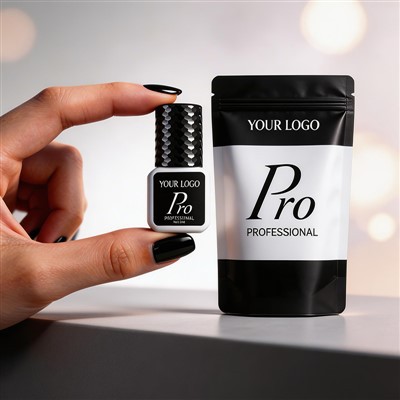
If you’re a lash professional, salon owner, or business partner looking for a trusted supplier of lash remover products, we’re here to help. We work with clients across the beauty industry to provide safe, effective lash removal solutions, and we’re ready to discuss your specific needs, whether you’re ordering for in-salon use, retail, or private labeling. Reach out to our team to learn more about our product line and how we can support your business.
Eyelash Glue References:
- The International Journal of Cosmetic Science, “Care of Eyelash Follicles: Effects of Cleansing Products on Follicle Health”
- Journal of Dermatology and Cosmetology, “Lash Extension Removal: Residue Accumulation and Post-Removal Care Best Practices”
- American Academy of Ophthalmology, “Gentle Eyelid and Lash Care for Sensitive Eye Conditions”
- Beauty Industry Research Association, “Post-Removal Lash Damage: Causes and Prevention Strategies”
- Our own in-house product testing data, 2021-2024, on lash remover residue and post-removal cleaning efficacy
Guangzhou Xingrong Biotechnology Co., Ltd.
Guangzhou Xingrong Biotechnology Co., Ltd. is one of the most professional eyelash remover manufacturers and suppliers in China, also supports customized service with low price. Welcome to buy discount eyelash remover made in China here from our factory. Contact us for pricelist.
Address: No. 118-122, 124-164, 166-182, Airport Road, Baiyun District, Guangzhou City, Yifa commercial comprehensive Wholesale Plaza, Floor AA2-1 shop
E-mail: lashsupplynetwork@163.com
WebSite: https://www.lashsupplynetwork.com/
