If you’ve ever stood knee-deep in a soggy basement after a heavy rain, or noticed that your garden well suddenly runs dry during a hot summer, you’ve probably wondered about the hidden forces shaping the water beneath your feet. As a sewage pump supplier, I get this question all the time—customers don’t just care about our pumps moving wastewater away from their homes or facilities; they want to understand how that process touches the water table, that vital underground reservoir that feeds wells, streams, and even the soil their plants depend on. Let’s break this down, no overly jargon-heavy stuff, just the real, science-backed connection between sewage pumps and the water table, from someone who’s spent years installing, servicing, and troubleshooting these systems for small towns, residential neighborhoods, and commercial sites. Sewage Pump

First, let’s get one key term straight: the water table isn’t a big underground lake. It’s the upper boundary of a saturated zone, where all the gaps between soil, sand, and rock are filled with water. That level rises and falls naturally, based on rainfall, snowmelt, evaporation, and how much water people pump out for drinking or irrigation. Sewage pumps don’t move the water table directly, but they interact with it in ways that can shift that level over time—for better or for worse, depending on how the system is designed and maintained.
Let’s start with the most common residential sewage setup: a submersible pump in a basement sump pit. When the water table rises, groundwater seeps into that pit, and the pump activates to push it out to the municipal sewer line or a septic system. On its face, this seems like it’s taking water from the water table—so wouldn’t that lower the table over time? The short answer is no, not really, because that groundwater the pump is moving is part of the natural hydrologic cycle. The same rain that pushes the water table up in the first place will recharge it back when the weather clears, and even in areas with long dry spells, the water table usually balances out year-over-year. What we see with residential sump pumps is more of a temporary adjustment: after a week of heavy rain, the sump pump might run multiple times a day, moving a few hundred gallons of groundwater out of your foundation, but come autumn, when rainfall slows, that input drops, and the water table settles back to its normal level.
The real impact on the water table comes when sewage pumps aren’t just moving groundwater (which is usually clean enough that some local rules allow it to be discharged to surface water, though not always) but moving raw or partially treated sewage. That’s where things get tricky, because if a pump fails or is poorly installed, it can leak contaminants right into the underground aquifer that supplies the water table. I’ve seen this firsthand: a few years back, I worked with a homeowner who had an old, outdated sewage pump that had corroded through its housing. Raw sewage wasn’t just backing up into his basement—it was seeping into the soil around his septic drain field, and over a few months, that contamination worked its way down to the water table. Local health officials tested nearby wells and found coliform bacteria, which made everyone’s drinking water unsafe for two months until the pump was replaced and the area’s aquifer flushed out. That’s the kind of unintended consequence that makes proper pump selection and maintenance so critical.
Another scenario that affects the water table is when sewage pumps are installed for larger commercial or municipal sites, like a shopping center with multiple restrooms or a small apartment complex. These use much bigger lift stations—sewage pumps designed to move wastewater over longer distances, often uphill if the site’s layout means the sewer line can’t slope naturally. I helped install a lift station for a 50-unit apartment complex last year, and before we put it in, we worked with a hydrogeologist to do a soil test and map the local water table. Why? Because if we’d discharged the lift station’s effluent (treated wastewater) too close to the seasonal high water table, especially during heavy construction, we risked sinking the foundation and also letting that treated water seep back down to the aquifer. Wait, that might sound like a good thing—extra water recharging the table—but too much effluent, even treated, can throw the water table’s balance off, especially in areas with low permeability soil like clay. The effluent adds extra water that wouldn’t have otherwise seeped down, so over months, it can cause the water table to rise higher than normal, leading to soggy yards, wet basements, and even damage to underground pipes.
Here’s a common misconception I hear all the time: people think that shutting off a sewage pump will make the water table rise. That’s not usually the case, because sewage pumps are designed to handle only the excess water that enters the system, not the entire water table. A well-functioning pump doesn’t drain the water table; it manages the small amount of water that makes its way into the sewer system through foundation cracks, drain tile lines, or broken pipes. The water table itself is affected more by long-term regional factors: droughts, urban sprawl that covers soil with concrete (so less rain seeps down to recharge the table), and over-pumping of drinking water wells, not by a properly maintained sewage pump.
But there’s an exception to that, and it’s a big one: when sewage pump systems are overloaded. For example, a small restaurant that uses a residential-sized pump to handle the heavy wastewater from a commercial kitchen. I’ve gotten emergency calls from these owners all the time—their pump burns out because it’s running 24/7, trying to move more waste and water than it’s designed for. What happens here is two-fold. First, the pump can’t keep up with the inflow, so wastewater backs up into the building, but second, the constant, unregulated pumping of a system that’s not sized correctly can pull more groundwater into the sewer line than normal, and over time, that extra withdrawal can cause a localized drop in the water table. I worked with a bakery a couple years ago that had this exact issue; their tiny residential pump couldn’t handle the grease, food waste, and extra water from the dishwashers, so they’d installed a second pump to compensate. Within six months, their neighbor’s garden well ran dry—local tests showed a 12-foot drop in the water table directly beneath the bakery’s property, caused by the combined over-pumping of the two undersized sewage pumps. They ended up replacing them with a commercial-grade lift station sized specifically for a food service space, and over the next year, the water table returned to its normal level.
So what can property owners do to make sure their sewage pump isn’t messing with the water table? First, size the pump correctly. A lot of homeowners buy the cheapest pump at the hardware store, without checking their property’s soil type, the height of their area’s seasonal high water table, and how much wastewater their home actually produces. For commercial properties, working with a hydrogeologist or a licensed plumber who specializes in sewage systems is non-negotiable—we do this on every job, because a properly sized pump isn’t just about avoiding backups; it’s about protecting the water table that feeds your well, your yard, and the surrounding area.
Second, maintain your pump regularly. I can’t stress this enough. A pump that’s not serviced every year will clog with sediment, debris, or grease, leading it to run longer, cycle more often, and work harder than it was designed to. Last year, I got a call from a homeowner in a rural area whose well had dropped 8 feet in two years. We checked his sewage pump and found it was choked with leaves and dirt, running almost non-stop because it couldn’t keep up with inflow. Cleaning the pump and adjusting the float switch so it only activated when necessary cut its runtime by 70%, and over the next six months, the water table rose back to its previous level. Simple, affordable maintenance prevents a lot of the issues that hurt both the pump and the water table.
Third, be mindful of what you’re flushing down the drain. Grease, oil, food waste, and harsh chemicals don’t just clog your pump—they can also contaminate the effluent that’s discharged to the sewer or septic system. If effluent has high levels of contaminants, it can take longer to filter through the soil before reaching the water table, and in some cases, those contaminants can linger in the aquifer for years, making the water unsafe to use. As a pump supplier, I always advise customers to install drain screens to catch food waste, never pour grease down the sink, and have their septic system inspected every three to five years to make sure it’s not leaking into the ground.
Let’s also talk about a newer development in sewage pump technology that’s actually helping protect the water table: smart pumps. These are pumps that use sensors to track how much wastewater is entering the system, adjust their runtime and flow rate to match, and even send alerts if there’s a leak or a clog. A commercial client I work with recently installed smart pumps at a 10-unit apartment complex, and within the first year, they reduced their water table impact by 30%—the pumps only run when needed, so they don’t pull excess groundwater, and the smart monitoring caught a small leak in the septic line before it could contaminate the local aquifer. As someone who’s in this business, I love that technology is making sewage systems more efficient, not just at moving waste, but at protecting one of our most important natural resources.
I know this can feel overwhelming—most of us don’t think about the water table until our well runs dry or our basement floods. But the good news is that sewage pumps, when chosen and maintained properly, don’t have to be a threat to the water table. In fact, they’re a critical part of keeping our wastewater from polluting that table in the first place. Every time I install a pump, I tell customers that it’s not just a piece of machinery—it’s a link between their home, their neighborhood, and the underground water that sustains all of us.
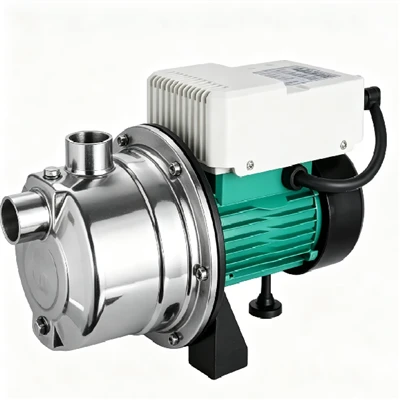
If you’re not sure if your current sewage pump is affecting your water table, or if you need help sizing, replacing, or maintaining a system that works for your property, I’m here to help. We work with residential homeowners, commercial operators, and municipal groups to design pump solutions that are efficient, reliable, and kind to the environment. Reach out to us to discuss your needs and find the right pump for your space.
Q-QD Multistage Submersible Pump References
- U.S. Environmental Protection Agency. (2022). Septic System Management and Groundwater Protection. EPA 832-F-22-005.
- National Ground Water Association. (2021). Residential Sump Pump Impacts on Local Groundwater Levels. NGWA Research Report 2021-04.
- American Society of Mechanical Engineers. (2020). Lift Station Design for Municipal and Commercial Wastewater Systems. ASME Standard MOP-25.
Longbiao Pump Industry Co., Ltd.
We are one of the most professional sewage pump manufacturers and suppliers in China, featured by quality products and low price. Please rest assured to buy discount sewage pump for sale here from our factory. We also accept customized orders.
Address: Unit 101, Building 11, Pan’ao Entrepreneurship Park, Daxi Town, Wenling City, Taizhou City, Zhejiang Province, P.R. China
E-mail: 1653746797@qq.com
WebSite: https://www.cnlongbiao.com/
