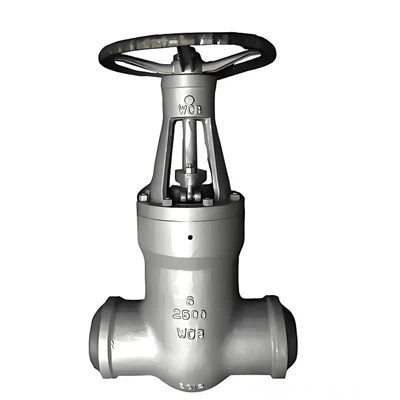
When it comes to fire – protection systems, the selection of valves is a critical decision that can significantly impact the system’s performance and reliability. As a gate valve supplier, I am often asked whether a gate valve can be used in a fire – protection system. In this blog, I will delve into the technical aspects, advantages, limitations, and considerations of using gate valves in fire – protection systems. Gate Valve
Technical Function of Gate Valves
Gate valves are linear motion valves that use a flat gate to control the flow of fluid. When the gate is fully open, it provides a straight – through path for the fluid, resulting in minimal flow resistance. Conversely, when the gate is fully closed, it blocks the flow completely. This simple yet effective design makes gate valves suitable for applications where a full – flow or shut – off function is required.
In a fire – protection system, the primary function is to deliver water or other fire – extinguishing agents to the affected areas quickly and efficiently. Gate valves can play a crucial role in this process. For example, they can be used to isolate different sections of the fire – protection piping network. In the event of a fire, the appropriate gate valves can be opened to allow water to flow to the fire – fighting equipment, such as sprinklers or hydrants.
Advantages of Using Gate Valves in Fire – Protection Systems
1. Full – Flow Capacity
One of the main advantages of gate valves is their ability to provide a full – flow passage when fully open. This is particularly important in fire – protection systems, where a large volume of water needs to be delivered rapidly. The unobstructed flow path of a gate valve ensures that there is minimal pressure drop, allowing the water to reach the fire – fighting equipment at the required pressure and flow rate.
2. Reliable Shut – Off
Gate valves are known for their reliable shut – off capabilities. In a fire – protection system, it is essential to be able to isolate sections of the piping network to prevent water from flowing into areas that are not affected by the fire. A properly installed and maintained gate valve can provide a tight seal, preventing leakage and ensuring that the system operates as intended.
3. Durability
Gate valves are typically constructed from robust materials such as cast iron, stainless steel, or bronze. These materials are resistant to corrosion and can withstand the high pressures and harsh conditions often encountered in fire – protection systems. This durability ensures that the gate valves can provide long – term reliable service, reducing the need for frequent replacements.
Limitations of Gate Valves in Fire – Protection Systems
1. Slow Operation
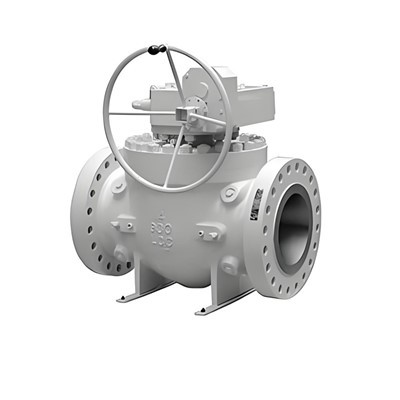
One of the main limitations of gate valves is their relatively slow operation. Unlike some other types of valves, such as ball valves, gate valves require multiple turns of the handwheel to open or close fully. In an emergency situation, such as a fire, this slow operation may not be ideal, as it can delay the delivery of water to the fire – fighting equipment.
2. Limited Throttling Capability
Gate valves are not designed for throttling applications. When partially open, the gate valve can cause excessive turbulence and vibration in the fluid, which can lead to erosion of the valve and piping components. In a fire – protection system, where precise control of the flow rate may be required in some situations, the limited throttling capability of gate valves can be a drawback.
3. Maintenance Requirements
Gate valves require regular maintenance to ensure their proper operation. The moving parts of the valve, such as the gate and stem, need to be lubricated periodically to prevent corrosion and ensure smooth operation. Additionally, the valve seats need to be inspected and cleaned to maintain a tight seal. Failure to perform regular maintenance can lead to valve failure, which can have serious consequences in a fire – protection system.
Considerations for Using Gate Valves in Fire – Protection Systems
1. System Design
When considering the use of gate valves in a fire – protection system, it is important to take into account the overall system design. The location of the gate valves, the size of the piping, and the flow requirements of the system all need to be carefully considered. For example, gate valves should be installed in easily accessible locations to allow for quick and easy operation in an emergency.
2. Code Compliance
Fire – protection systems are subject to strict codes and standards. Before using gate valves in a fire – protection system, it is essential to ensure that the valves meet the relevant codes and standards. This includes requirements for valve materials, pressure ratings, and performance testing.
3. Compatibility with Other Components
Gate valves need to be compatible with other components in the fire – protection system, such as pumps, sprinklers, and hydrants. The valve size, connection type, and flow characteristics need to be carefully matched to ensure proper system operation.
Conclusion
In conclusion, gate valves can be used in fire – protection systems, but their use requires careful consideration of their advantages, limitations, and the specific requirements of the system. While gate valves offer full – flow capacity and reliable shut – off, their slow operation and limited throttling capability may not be suitable for all applications. By taking into account the system design, code compliance, and compatibility with other components, gate valves can be an effective and reliable choice for fire – protection systems.
Gate Valve If you are in the process of designing or upgrading a fire – protection system and are considering the use of gate valves, I encourage you to reach out to discuss your specific needs. As a gate valve supplier, we have the expertise and experience to help you select the right valves for your system. Our team of professionals can provide technical support, product recommendations, and assistance with installation and maintenance. Contact us to start a conversation about how our gate valves can enhance the performance and reliability of your fire – protection system.
References
- NFPA 13: Standard for the Installation of Sprinkler Systems
- ASME B16.34: Valves – Flanged, Threaded, and Welded End
- API 600: Steel Gate Valves – Flanged and Butt – Welding Ends
Wuxi PYNOS Flow-tech Co., Ltd.
As one of the leading gate valve manufacturers and suppliers in China, we offer a wide range of products with superior quality. We warmly welcome you to buy high quality gate valve made in China here from our factory. We also accept customized orders.
Address: Sales Center: 7th Floor, No.19 Qingyuan RD, Wuxi City, Jiangsu Prov., China
E-mail: Info@pynosvalve.com
WebSite: https://www.pynosvalves.com/
