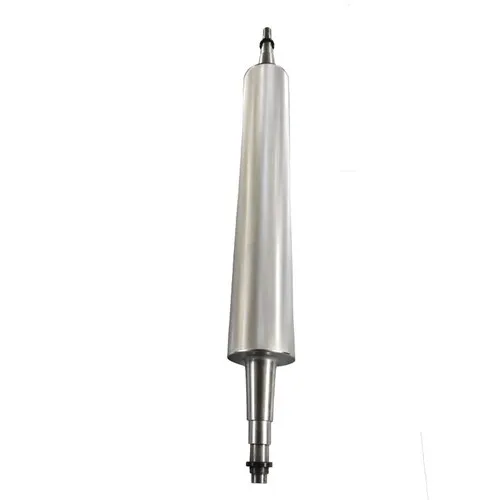
In the world of printing and coating applications, chrome anilox rollers play a pivotal role. As a supplier of chrome anilox rollers, I often encounter questions from customers about the repair of these essential components. This blog aims to delve into the topic of whether a chrome anilox roller can be repaired, exploring various aspects such as the causes of damage, repair methods, and the economic and practical considerations involved. Chrome Anilox Roller
Understanding Chrome Anilox Rollers
Before discussing repair, it’s crucial to understand what chrome anilox rollers are and how they function. Chrome anilox rollers are precision-engineered cylinders with a finely engraved surface pattern of cells. These cells are designed to hold and transfer a specific volume of ink or coating to the printing or coating substrate. The chrome plating on the roller surface provides hardness, corrosion resistance, and a smooth finish, which is essential for consistent ink or coating transfer.
The performance of a chrome anilox roller depends on several factors, including the cell geometry (shape, size, and depth), the chrome plating quality, and the overall surface finish. Any damage to the cell structure or the chrome plating can significantly affect the roller’s ability to transfer ink or coating accurately, leading to print or coating defects.
Causes of Damage to Chrome Anilox Rollers
Chrome anilox rollers can be damaged in various ways during their service life. Here are some common causes of damage:
- Mechanical Wear: During the normal operation of a printing or coating machine, the anilox roller comes into contact with other components such as doctor blades, impression cylinders, and substrates. This constant contact can cause mechanical wear on the roller surface, leading to cell deformation, loss of chrome plating, or even scratches on the roller body.
- Chemical Corrosion: Inks, coatings, and cleaning agents used in the printing and coating processes may contain chemicals that can react with the chrome plating or the underlying roller material. This chemical corrosion can thin the chrome layer, pit the roller surface, or damage the cell structure, reducing the roller’s performance.
- Blockage of Cells: Over time, ink or coating particles can accumulate in the anilox cells, causing blockages. This blockage can prevent the proper transfer of ink or coating, resulting in inconsistent print or coating quality. Blockages can also occur due to improper cleaning or the use of incompatible inks and coatings.
- Surface Contamination: Dirt, dust, and other contaminants can adhere to the anilox roller surface, affecting the ink or coating transfer. Surface contamination can also cause scratches on the roller surface during the cleaning process, further damaging the roller.
Repair Methods for Chrome Anilox Rollers
The good news is that in many cases, chrome anilox rollers can be repaired. The repair method depends on the type and extent of the damage. Here are some common repair methods:
- Ultrasonic Cleaning: Ultrasonic cleaning is a widely used method for removing blockages from anilox cells. This process involves immersing the roller in a cleaning solution and subjecting it to high-frequency ultrasonic waves. The ultrasonic waves create tiny bubbles in the cleaning solution, which implode when they come into contact with the roller surface. This implosion action dislodges the ink or coating particles from the cells, effectively cleaning the roller. Ultrasonic cleaning is a non-destructive method that can restore the roller’s performance without damaging the cell structure or the chrome plating.
- Microfinishing: Microfinishing is a process used to remove minor scratches and surface irregularities from the chrome anilox roller surface. This process involves using a fine abrasive material to gently polish the roller surface, improving its smoothness and finish. Microfinishing can also help to restore the cell geometry and improve the ink or coating transfer efficiency. However, it’s important to note that microfinishing should be performed by a skilled technician to avoid over-polishing and damaging the cell structure.
- Rechroming: If the chrome plating on the anilox roller is damaged or worn beyond repair, rechroming may be necessary. Rechroming involves removing the existing chrome layer and applying a new layer of chrome plating to the roller surface. This process requires specialized equipment and expertise to ensure that the new chrome layer has the correct thickness, hardness, and smoothness. Rechroming can restore the roller’s corrosion resistance and surface finish, extending its service life.
- Cell Re-engraving: In cases where the cell structure of the anilox roller is severely damaged or worn, cell re-engraving may be required. Cell re-engraving involves removing the existing cell pattern and engraving a new pattern on the roller surface. This process requires advanced CNC engraving technology and precise control to ensure that the new cell pattern meets the required specifications. Cell re-engraving can completely restore the roller’s ink or coating transfer performance, but it is a more expensive and time-consuming repair method compared to the other methods mentioned above.
Economic and Practical Considerations
When deciding whether to repair a chrome anilox roller, it’s important to consider the economic and practical aspects. Repairing a damaged roller can be a cost-effective alternative to purchasing a new one, especially if the damage is minor and the roller has a long remaining service life. However, in some cases, the cost of repair may be close to or even exceed the cost of a new roller, especially if the damage is severe and requires extensive repair work.
In addition to the cost, other practical considerations include the downtime required for the repair process and the availability of repair services. Repairing a roller usually takes some time, which can cause production delays. It’s important to choose a reputable repair service provider with a short turnaround time to minimize the downtime.
Conclusion
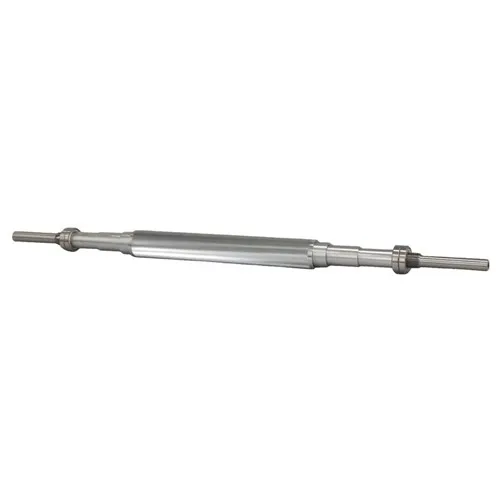
In conclusion, a chrome anilox roller can be repaired in many cases, depending on the type and extent of the damage. Ultrasonic cleaning, microfinishing, rechroming, and cell re-engraving are some of the common repair methods available. When considering repair, it’s important to weigh the economic and practical aspects, such as the cost, downtime, and availability of repair services.
Anilox Sleeve As a supplier of chrome anilox rollers, we understand the importance of roller performance and reliability in your printing and coating operations. We offer a range of high-quality chrome anilox rollers and also provide professional repair services to ensure that your rollers are in optimal condition. If you have any questions about chrome anilox rollers or their repair, or if you are interested in purchasing our products, please feel free to contact us for further discussion. We look forward to assisting you with your printing and coating needs.
References
- "Anilox Rollers: Principles, Operation, and Maintenance" – A technical guide on anilox rollers.
- "Printing and Coating Technology Handbook" – A comprehensive resource on printing and coating processes.
- Industry reports and studies on the performance and repair of chrome anilox rollers.
Kunshan Hanhan Co., Ltd.
We’re well-known as one of the leading chrome anilox roller manufacturers and suppliers in China. We warmly welcome you to buy high quality chrome anilox roller made in China here from our factory. If you have any enquiry about cooperation, please feel free to email us.
Address: No. 1093, B Zone, No. 2 Xugongqiao Rd, Huaqiao Town, Kunshan City, Suzhou, Jiangsu, China
E-mail: info@kshhroller.com
WebSite: https://www.kshh-roller.com/
