Hey there, folks! I’m a supplier of titanium cathode plates, and today I wanna chat about the super cool uses of these plates in the electro-mechanical process. Titanium Cathode Plate
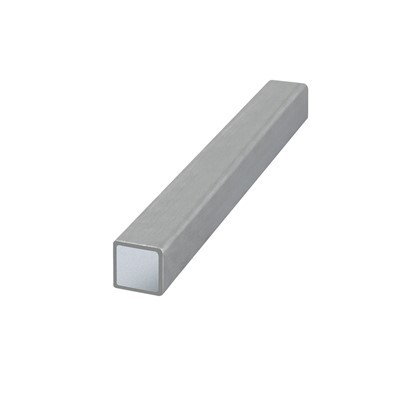
First off, let’s get a basic understanding of what titanium cathode plates are. Titanium is an amazing metal. It’s strong, lightweight, and highly resistant to corrosion. When we turn it into cathode plates, we’re creating a key component for a whole bunch of electro-mechanical applications.
One of the most common uses of titanium cathode plates is in electrorefining. Electrorefining is all about purifying metals. You see, when a metal is first mined, it’s usually full of impurities. To get that pure, high – quality metal, electrorefining comes into play. Titanium cathode plates are used as the electrode where the pure metal deposits.
Let’s say we’re talking about copper electrorefining. In a big tank, we’ve got an impure copper anode on one side and a titanium cathode plate on the other. We fill the tank with an electrolyte solution, which is basically a liquid that can conduct electricity. When we pass an electric current through the system, the impure copper at the anode starts to dissolve into the solution. The copper ions then travel through the electrolyte and get deposited as pure copper on the titanium cathode plate. It’s like a magic purification process, and the titanium cathode plate is a crucial part of it. The reason we use titanium here is its corrosion resistance. The electrolyte solution can be pretty harsh, and if we used a different metal, it would corrode quickly. But titanium can stand up to that environment, ensuring the process runs smoothly over a long time.
Another major application is electroplating. Electroplating is used to coat one metal with another. This can be for decorative purposes, like giving a piece of jewelry a shiny gold or silver coating. It can also be for functional reasons, such as improving the corrosion resistance or wear resistance of a metal part.
In an electroplating setup, the object to be plated is connected to the cathode, often with the help of our titanium cathode plates. Let’s say we want to plate a steel bolt with nickel. We put the steel bolt (connected to the titanium cathode plate) and a nickel anode in an electrolyte bath that contains nickel salts. When an electric current is applied, the nickel atoms from the anode dissolve into the electrolyte and then deposit onto the steel bolt. The titanium cathode plate provides a stable and conductive surface for the plating process. It helps ensure an even and smooth coating on the object being plated.
Titanium cathode plates are also used in the production of chlorine and caustic soda through a process called chlor – alkali electrolysis. In this process, we’ve got a big electrolytic cell. At the anode, chloride ions are oxidized to produce chlorine gas. At the cathode, water is reduced to produce hydrogen gas and hydroxide ions, which form caustic soda.
Our titanium cathode plates are used in this setup to provide an efficient and long – lasting cathode surface. The electrolytic environment in chlor – alkali production is extremely tough, with high temperatures, corrosive chemicals, and strong electric currents. Titanium’s ability to resist corrosion and its good electrical conductivity make it an ideal choice for cathode plates in this process. Without reliable titanium cathode plates, the production process would be much less efficient, and the equipment would need to be replaced more often.
In the field of electro – organic synthesis, titanium cathode plates also play an important role. Electro – organic synthesis is a way of making organic compounds using an electric current. This is a relatively new and exciting area of research.
For example, we can use electro – organic synthesis to make specialty chemicals, pharmaceuticals, and even materials for electronic devices. In an electro – organic synthesis setup, the titanium cathode plate provides a surface where the electrochemical reactions can take place. Organic molecules in the electrolyte solution can gain electrons at the cathode surface and undergo chemical transformations. The titanium cathode plate’s stability and conductivity are essential for controlling the reaction rate and the selectivity of the products. This means we can make exactly the organic compounds we want with better efficiency.
Now, let’s talk a bit about the benefits of using our titanium cathode plates in these electro – mechanical processes. First of all, as I’ve mentioned, their corrosion resistance is a huge plus. This means that our plates last a long time, which reduces the need for frequent replacements. And that saves money in the long run.
Secondly, titanium has good electrical conductivity. This ensures that the electro – mechanical processes are efficient. A good electrical connection means that the electric current can flow smoothly through the system, leading to better metal deposition in electrorefining, more even plating in electroplating, and efficient chemical reactions in other applications.
Also, our titanium cathode plates are made to very high quality standards. We use advanced manufacturing techniques to ensure that each plate has a uniform surface and accurate dimensions. This is important because in electro – mechanical processes, even small variations in the cathode plate can affect the outcome of the process.
If you’re involved in any of these electro – mechanical processes – be it electrorefining, electroplating, chlor – alkali production, or electro – organic synthesis – you need reliable titanium cathode plates. And that’s where we come in. We’ve got a wide range of titanium cathode plates available, in different sizes and specifications to meet your specific needs.
Whether you’re a small – scale operation looking to improve your electro – plating process or a large – scale industrial plant involved in metal refining, we can provide you with the right titanium cathode plates. Our team of experts is always ready to give you advice on which plates are best for your application.

So, if you’re interested in purchasing titanium cathode plates for your electro – mechanical processes, don’t hesitate to reach out. We’re here to help you get the most out of your operations. Just drop us a message, and we’ll start a conversation about how we can work together.
Lead Anode Plate References
- "Electrochemical Engineering" by Carl A. K. Bott
- "Industrial Electrochemistry" by Peter C. H. Mitchell
- "Corrosion Resistance of Titanium Alloys" by John H. Westbrook
AATI Cathode Co., Ltd.
AATI Cathode Co., Ltd. is one of the leading titanium cathode plate manufacturers and suppliers in China. We warmly welcome you to buy high-grade titanium cathode plate made in China here from our factory. All customized products are with high quality and competitive price. Contact us for free sample.
Address: NO. 1, ZHENXING ROAD, BAOJI CITY, SHAANXI, CHINA
E-mail: ivy@bjaati.com
WebSite: https://www.bjcathode.com/
