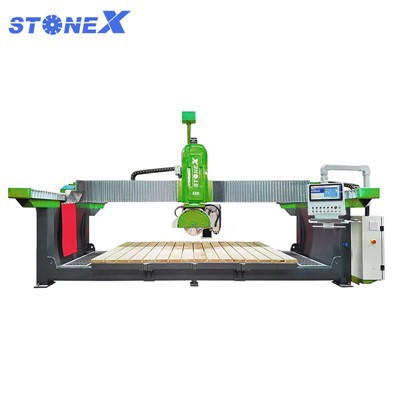
As a supplier of waterjet cutting machines, one of the most frequent questions I encounter from our clients is how to improve the cutting speed of a waterjet cutting machine. In this blog, I’ll share some professional insights and practical tips based on my years of experience in this industry. Waterjet Cutting Machine
Understanding the Basic Principles of Waterjet Cutting
Before delving into ways to improve cutting speed, it’s essential to understand how a waterjet cutting machine works. A waterjet cutting machine uses a high – pressure stream of water, sometimes mixed with an abrasive material, to cut through various materials. The water is pressurized through a pump, and then it is forced through a small nozzle, creating a powerful cutting jet. The abrasive, typically garnet, enhances the cutting power for harder materials.
The cutting speed is affected by several factors, including the type of material being cut, the thickness of the material, the pressure of the water, the type and size of the nozzle, and the abrasive flow rate. By optimizing these factors, we can significantly improve the cutting speed.
Optimize Water Pressure
Water pressure is one of the most critical factors affecting cutting speed. Generally, the higher the water pressure, the faster the cutting speed. However, there is a limit to how much pressure a machine can handle safely. Modern waterjet cutting machines can achieve pressures up to 60,000 psi (pounds per square inch) or even higher in some advanced models.
When increasing the water pressure, it’s important to ensure that the machine’s components, such as the pump, hoses, and nozzles, can withstand the elevated pressure. Regular maintenance and inspection of these components are necessary to prevent leakage and damage. For example, check the seals of the pump regularly, as worn – out seals can lead to a loss of pressure.
Choose the Right Nozzle
The nozzle plays a crucial role in the cutting process. Different types and sizes of nozzles can have a significant impact on cutting speed. A smaller nozzle produces a more concentrated jet of water, which can penetrate the material more efficiently. However, it also requires higher pressure to maintain the same flow rate.
For thinner materials, a smaller nozzle diameter (e.g., 0.010 – 0.015 inches) can be used to achieve faster cutting speeds. For thicker materials, a larger nozzle (e.g., 0.020 – 0.030 inches) may be more appropriate, as it can accommodate a higher flow rate of water and abrasive. In addition, choosing a high – quality nozzle made from wear – resistant materials, such as ruby or sapphire, can ensure consistent performance and extend the service life of the nozzle.
Select the Appropriate Abrasive
The type and quality of the abrasive used in waterjet cutting also affect the cutting speed. Garnet is the most commonly used abrasive due to its balance of cost, performance, and availability. However, there are different grades of garnet, and the grain size can vary.
A finer – grained abrasive can cut more precisely but may have a slower cutting speed. On the other hand, a coarser – grained abrasive can accelerate the cutting process but may result in a rougher cut surface. For faster cutting, a medium – coarse garnet (e.g., 80 – 120 mesh) is often a good choice for most applications.
It’s also important to ensure a consistent abrasive flow rate. An inconsistent flow can lead to uneven cutting and reduced efficiency. Most waterjet cutting machines are equipped with an abrasive feeder, and it should be calibrated regularly to maintain a stable flow rate.
Consider the Material Being Cut
Different materials have different cutting characteristics. For example, soft materials like rubber or foam can be cut relatively quickly, while hard materials like stainless steel or titanium require more time and energy. Understanding the properties of the material is essential for optimizing the cutting speed.
For hard materials, increasing the water pressure and abrasive flow rate may be necessary. However, be careful not to over – pressure the machine, as this can cause damage. Pre – heating the material slightly can also sometimes improve the cutting speed, especially for metals. This is because the heat can make the material more malleable and easier to cut.
When cutting thick materials, multiple passes may be required. Instead of trying to cut through the entire thickness in one pass, making several shallow passes can actually be faster and more efficient in some cases. This approach also reduces the stress on the machine and the nozzle.
Optimize the Cutting Path
The cutting path规划 of the waterjet can have a significant impact on cutting speed. A well – planned cutting path can minimize the travel time of the nozzle and reduce idle time.
Using nesting software can help optimize the layout of the parts to be cut on the material sheet. This software arranges the parts in a way that maximizes the use of the material and reduces the distance the nozzle needs to travel between cuts. Additionally, programming the machine to perform continuous cuts without unnecessary stops and starts can also save time.
Implement Preventive Maintenance
Regular preventive maintenance is essential for keeping the waterjet cutting machine running at its best. A well – maintained machine is less likely to experience breakdowns and can operate more efficiently, which ultimately leads to faster cutting speeds.
This includes routine tasks such as checking and changing the water filters, lubricating moving parts, and inspecting the hydraulic system. Check the alignment of the cutting head regularly to ensure accurate cuts. Misaligned cutting heads can cause uneven cutting and may slow down the cutting process.
Training and Operator Skill
The skill of the operator also plays a role in improving cutting speed. A well – trained operator knows how to set up the machine correctly, adjust the parameters according to the material and cutting requirements, and troubleshoot minor issues promptly.
We offer comprehensive training programs for our clients’ operators. These programs cover machine operation, parameter setting, maintenance, and safety procedures. By investing in operator training, companies can ensure that their waterjet cutting machines are used to their full potential, resulting in faster cutting speeds and higher productivity.
Conclusion
Improving the cutting speed of a waterjet cutting machine requires a comprehensive approach that takes into account multiple factors, including water pressure, nozzle selection, abrasive use, material characteristics, cutting path optimization, maintenance, and operator skill. As a waterjet cutting machine supplier, we are committed to providing our clients with high – quality machines and the knowledge and support they need to achieve optimal cutting performance.
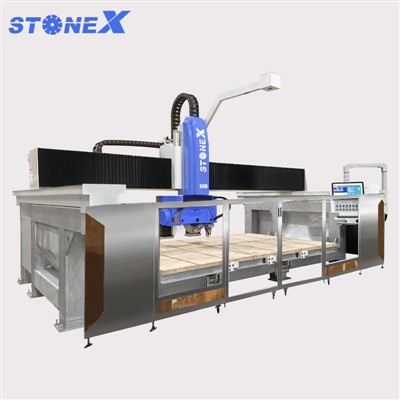
Block Cutting Machine If you are interested in our waterjet cutting machines or want to learn more about how to further improve the cutting speed in your specific applications, we are here to help. Please contact us for more information and to start a purchase negotiation. Our team of experts will be happy to assist you in selecting the right machine and providing customized solutions for your needs.
References
- "Waterjet Cutting Technology Handbook", various industry experts’ contributions.
- "Advanced Waterjet Cutting Techniques", research papers from industry – leading institutions.
- "Maintenance Guidelines for Waterjet Cutting Machines", in – house technical manuals and best – practice documents.
Nantong Huayi Intelligent Equipment Co., Ltd.
Address: Dongsheng Stone Industry Park, Changjiang Town, Rugao City, Jiangsu Province, China
E-mail: claire@hualongm.com
WebSite: https://www.hystonemachinery.com/
