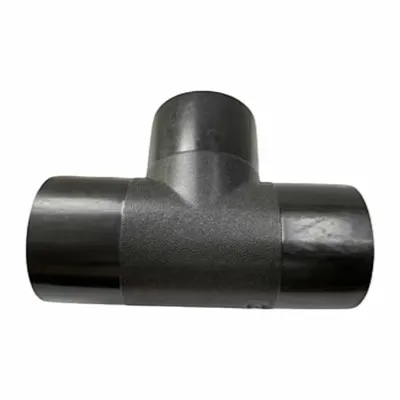
PERT (Polyethylene of Raised Temperature resistance) fittings play a pivotal role in modern plumbing systems, especially in applications where hot and cold water circulation is required. As a seasoned PERT fittings supplier, I’ve witnessed firsthand the impact these components have on water flow velocity. In this blog, I’ll delve into the science behind PERT fittings and how they affect the flow velocity of water. PERT Fittings
The Basics of Water Flow Velocity
Before we explore the influence of PERT fittings on water flow velocity, it’s essential to understand what water flow velocity is. Water flow velocity refers to the speed at which water moves through a pipe. It is typically measured in meters per second (m/s) or feet per second (ft/s). The flow velocity is determined by several factors, including the pressure of the water source, the diameter of the pipe, the length of the pipe, and the presence of any obstacles or fittings within the pipe.
The relationship between flow velocity and other factors can be described by the continuity equation, which states that the product of the cross – sectional area of the pipe (A) and the flow velocity (v) is constant for an incompressible fluid like water, assuming no leaks or additional inflows or outflows. Mathematically, it is expressed as (A_1v_1 = A_2v_2).
Impact of PERT Fittings on Cross – Sectional Area
One of the primary ways PERT fittings affect water flow velocity is through their impact on the cross – sectional area of the plumbing system. When water flows from a pipe into a PERT fitting, the shape and size of the fitting can cause a change in the cross – sectional area available for water to pass through.
For example, a reducing PERT fitting, which is used to connect pipes of different diameters, will decrease the cross – sectional area of the flow path. According to the continuity equation, when the cross – sectional area decreases, the flow velocity must increase to maintain a constant flow rate. Conversely, an expanding PERT fitting, which increases the cross – sectional area, will cause the flow velocity to decrease.
In a well – designed plumbing system, the change in cross – sectional area due to PERT fittings should be carefully considered. Sudden and large changes in cross – sectional area can lead to turbulent flow, which increases energy losses and can cause noise and vibrations in the pipes. Smooth transitions in cross – sectional area, such as those provided by properly designed PERT fittings, help to minimize turbulence and maintain a more efficient flow.
Friction and Flow Resistance in PERT Fittings
Another significant factor that affects water flow velocity is the friction and flow resistance within the PERT fittings. As water flows through a fitting, it encounters resistance from the inner surface of the fitting. This resistance is caused by the roughness of the fitting’s inner wall, the shape of the fitting, and the presence of any bends or turns.
The friction factor, a measure of the resistance to flow, is influenced by the Reynolds number (Re), which is a dimensionless quantity that describes the flow regime (laminar or turbulent). In PERT fittings, the smooth inner surface of the material helps to reduce the friction factor compared to some traditional metal fittings. PERT is known for its low – friction characteristics, which means that water can flow more easily through PERT fittings, resulting in less energy loss and a relatively higher flow velocity for a given pressure.
However, the shape of the fitting also plays a crucial role. Elbows, tees, and other fittings with bends can cause the water flow to change direction, which increases the flow resistance. The more severe the bend, the greater the resistance. For example, a 90 – degree elbow will cause more resistance than a 45 – degree elbow. To minimize the impact of bends on flow velocity, it is advisable to use fittings with smooth, gradual bends and to avoid sharp corners.
Pressure Drop and Its Effect on Flow Velocity
Pressure drop is an important consideration when evaluating the impact of PERT fittings on water flow velocity. Pressure drop refers to the decrease in pressure as water flows through a pipe or fitting. It is caused by the combined effects of friction and changes in flow direction.
In a plumbing system, the available pressure at the source must overcome the pressure drop in the pipes and fittings to maintain a desired flow velocity. When water passes through PERT fittings, the pressure drop can be minimized due to the low – friction properties of PERT. However, if the pressure drop is too high, the flow velocity will decrease.
For example, in a large – scale plumbing system with multiple PERT fittings, the cumulative pressure drop can become significant. This can result in reduced flow velocities at the outlets, such as faucets or showerheads. To mitigate this issue, it is important to select the appropriate size and type of PERT fittings and to optimize the layout of the plumbing system to minimize the overall pressure drop.
Temperature and Its Influence on Flow Velocity in PERT Fittings
Temperature also has an impact on the flow velocity of water in PERT fittings. PERT is a thermoplastic material, and its properties can change with temperature. At higher temperatures, the viscosity of water decreases, which means that the water can flow more easily. Additionally, the elasticity of PERT may increase slightly at higher temperatures, which can further reduce the flow resistance.
Conversely, at lower temperatures, the viscosity of water increases, and the material properties of PERT may become more rigid. This can lead to an increase in flow resistance and a decrease in flow velocity. In applications where the temperature of the water varies significantly, it is important to consider the temperature – dependent properties of PERT when selecting fittings and designing the plumbing system.
Practical Considerations for Plumbers and Installers
As a PERT fittings supplier, I often provide guidance to plumbers and installers on how to optimize water flow velocity in plumbing systems. Here are some practical tips:
- Select the right size of fittings: Ensure that the PERT fittings are the appropriate size for the pipes they are connecting. Using fittings that are too small can restrict the flow and increase the flow velocity to an undesirable level, while using fittings that are too large can lead to inefficient flow.
- Minimize the number of fittings: Each fitting in a plumbing system adds some degree of flow resistance. Try to minimize the number of elbows, tees, and other fittings whenever possible to reduce the overall pressure drop and maintain a higher flow velocity.
- Use smooth – walled fittings: Opt for PERT fittings with a smooth inner surface to reduce friction and flow resistance. This can help to maintain a more consistent flow velocity throughout the system.
- Proper installation: Ensure that the PERT fittings are installed correctly. Improper installation, such as misaligned fittings or loose connections, can cause leaks and disrupt the flow of water, leading to reduced flow velocities.
Conclusion
PERT fittings have a significant impact on the flow velocity of water in plumbing systems. Through their influence on cross – sectional area, friction, pressure drop, and temperature, these fittings can either enhance or impede the flow of water. As a PERT fittings supplier, I understand the importance of providing high – quality fittings that are designed to optimize water flow velocity.
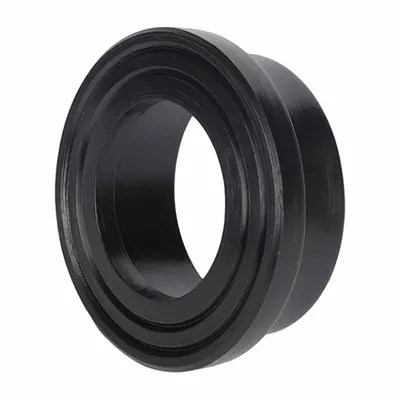
Butt Fusion Drainage Fittings If you’re in the process of planning a plumbing project or looking to upgrade your existing system, I invite you to reach out for a detailed discussion. We can work together to select the most appropriate PERT fittings for your specific needs and ensure that your plumbing system operates at peak efficiency. Whether it’s a residential, commercial, or industrial application, we have the expertise and products to meet your requirements. Contact us today to start the conversation about your PERT fittings procurement needs.
References
- Pipe Flow Handbook, by Crane Co.
- Introduction to Fluid Mechanics, by Robert W. Fox, Alan T. McDonald, and Philip J. Pritchard.
- Plastics Pipe Institute, Technical Publications on PERT Pipes and Fittings.
Qingdao Polyfusion Machinery Co., Ltd.
As one of the most professional PERT fittings manufacturers and suppliers in China, we have world-leading production equipment and strong manufacturing capabilities. Please feel free to buy bulk high quality PERT fittings from our factory.
Address: Chengyang Industry Zone, Chengyang, Qingdao, Shandong, China
E-mail: export01@qdpolyfusion.com
WebSite: https://www.polyfusionfittings.com/
